Branta canadensis · Anatidae
When Do Canada Geese Arrive in District of Columbia?
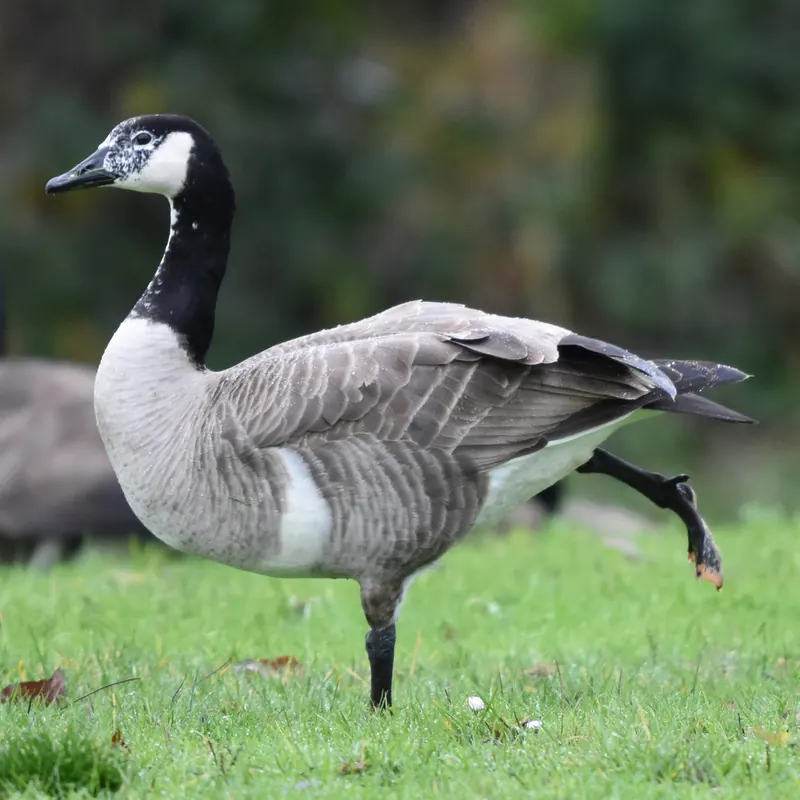
Canada Geese are in District of Columbia all year, but most are here in winter: numbers build from the second week of November, peak in mid December (52% of checklists), and fall back by the second week of April. In the quietest week (the second week of September) they are still on about 12% of checklists.
When to look
Best: mid December. Here all year; numbers build from the second week of November and fall back by the second week of April. Peak: on about 52% of District of Columbia checklists.
- Janpeak season
- Febpeak season
- Marpeak season
- Aprcommon
- Maycommon
- Juncommon
- Juluncommon
- Augcommon
- Sepuncommon
- Octcommon
- Novpeak season
- Decpeak season
Darker months: more checklists report it. Outlined: peak month.
Frequency is the share of complete checklists in District of Columbia that listed the bird, 2016–2025. It is not a head count, and it follows where and when people go birding. How to read it.
Each county is shaded by the share of complete checklists there that listed the bird, blended with the weeks either side. Darker is more often. It follows where people watch birds, not how many birds there are. How to read it.
Where in District of Columbia
Best counties
Share of checklists at the peakBest spots
Share of checklists at the peak- Lyndon Baines Johnson Memorial Grove on the Potomac97%
- McMillan Reservoir95%
- National Capital Parks95%
- Anacostia Fitness Center94%
- Chesapeake and Ohio Canal National Historical Park (Gillam Branch (historical))94%
Busy spots report more of everything; compare the checklist counts before you drive anywhere.
Best time of day
In District of Columbia, the Canada Goose is most often listed on checklists started between 9 and 11 am (34% of those checklists).
Week-by-week table
| Month | Days 1-7 | 8-14 | 15-21 | 22-end |
|---|---|---|---|---|
| January | 49% | 44% | 45% | 45% |
| February | 46% | 43% | 42% | 47% |
| March | 43% | 43% | 39% | 39% |
| April | 35% | 32% | 32% | 25% |
| May | 21% | 21% | 20% | 27% |
| June | 28% | 24% | 19% | 16% |
| July | 17% | 19% | 21% | 18% |
| August | 22% | 25% | 19% | 15% |
| September | 14% | 12% | 10% | 16% |
| October | 19% | 25% | 25% | 32% |
| November | 29% | 36% | 35% | 40% |
| December | 44% | 53% | 52% | 52% |
Neighboring states
- Maryland: year-round, peaks early March
- Virginia: arrives early November, 1 week earlier than District of Columbia
- Delaware: year-round, peaks the second week of April
- Pennsylvania: arrives early February, 11 weeks later than District of Columbia
Common questions
- When do Canada Geese arrive in District of Columbia?
- Canada Geese are in District of Columbia all year, but most are here in winter: numbers build from the second week of November, peak in mid December (52% of checklists), and fall back by the second week of April. In the quietest week (the second week of September) they are still on about 12% of checklists.
- When do Canada Geese leave District of Columbia?
- Canada Geese never fully leave District of Columbia: numbers fall back below half their usual rate by the second week of April, but some are still reported in every week, about 12% of checklists at the low.
- When is the best time to see a Canada Goose in District of Columbia?
- The Canada Goose is reported most often in mid December, on about 52% of District of Columbia checklists.
- Where in District of Columbia are Canada Geese seen most often?
- By county, District of Columbia County have the highest peak reporting rates for the Canada Goose (counties with at least 200 checklists).