2 vulture species in North Carolina
When Do Vultures Arrive in North Carolina?
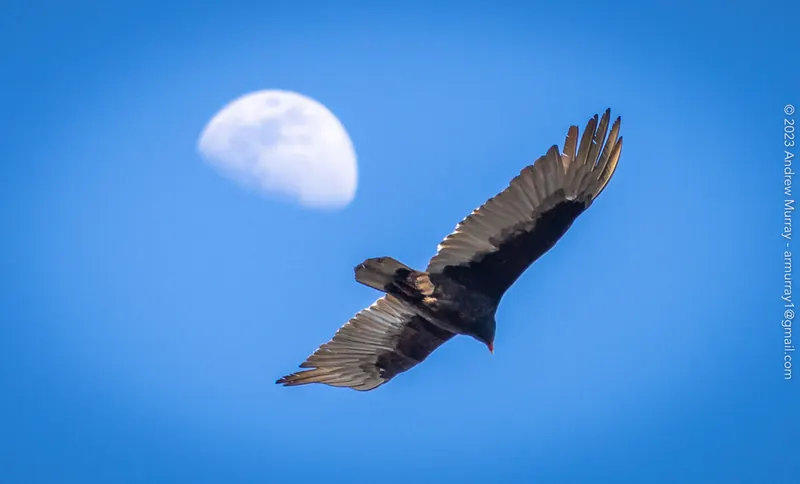
Turkey Vultures and Black Vultures are the vultures you are most likely to see in North Carolina. The Turkey Vulture is in North Carolina all year. It turns up on about 31% of checklists at its peak (late March) and on 17% in its quietest week (mid July).
When to look
PresentAll year
Peak weekMar 22-31late March
Quietest weekJul 15-21mid July
Best: late March. Here all year. Peak: on about 31% of North Carolina checklists.
- Janpeak season
- Febpeak season
- Marpeak season
- Aprpeak season
- Maypeak season
- Juncommon
- Julcommon
- Augcommon
- Seppeak season
- Octpeak season
- Novpeak season
- Decpeak season
Darker months: more checklists report it. Outlined: peak month.
Vultures in North Carolina, species by species
| Species | First arrivals | Peak | Most gone by | Peak % |
|---|---|---|---|---|
| Turkey Vulture | all year | Mar 22-31 | – | 31% |
| Black Vulture | all year | Apr 22-30 | – | 10% |
- Turkey Vulture
- Black Vulture
Frequency is the share of complete checklists in North Carolina that listed the bird, 2016–2025. It is not a head count, and it follows where and when people go birding. How to read it.
Where in North Carolina
Best counties for Turkey Vulture
Share of checklists at the peak- Bladen County81%
- Martin County79%
- Lenoir County76%
- Northampton County75%
- Anson County73%
- Bertie County73%
Common questions
- When do vultures arrive in North Carolina?
- The Turkey Vulture is in North Carolina all year. It turns up on about 31% of checklists at its peak (late March) and on 17% in its quietest week (mid July).
- When do vultures leave North Carolina?
- The Turkey Vulture does not leave North Carolina: it is reported all year, from 17% of checklists in mid July to 31% in late March.
- When is the best time to see vultures in North Carolina?
- The Turkey Vulture is reported most often in late March, on about 31% of North Carolina checklists.
- Which vultures are in North Carolina?
- Turkey Vulture and Black Vulture are reported regularly; the Turkey Vulture is the most common.