Birding spot · Santa Cruz County, Arizona
Birding at Smithsonian Institute Astrophysical Observatory Experimental Research Area: What You'll See Each Week
In November, the birds most often reported at Smithsonian Institute Astrophysical Observatory Experimental Research Area are Mexican Jay (93%), White-breasted Nuthatch (88%), and Acorn Woodpecker (72%). It is busiest in spring, when 60 species turn up on at least 1 in 20 checklists, and species counts peak in early May (62 species). 112 species have been reported here across 2,714 complete checklists from 1,753 birders.
Species by week
In November: what to expect
- 1
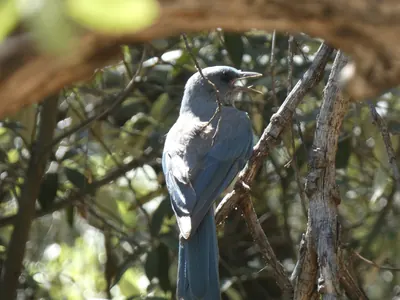 Mexican Jay93%
- 2
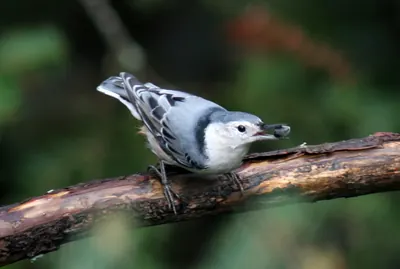 White-breasted Nuthatch88%
- 3
 Acorn Woodpecker72%
- 4
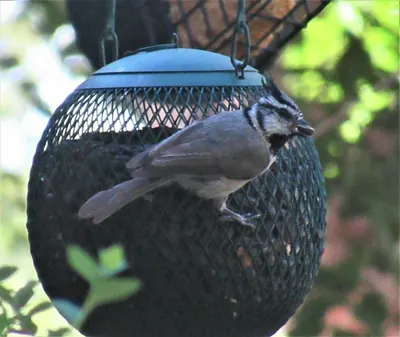 Bridled Titmouse70%
- 5
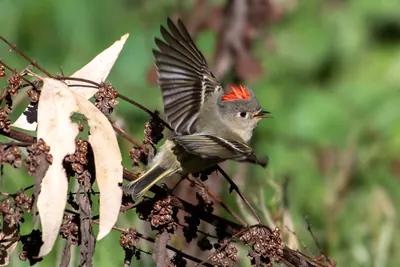 Ruby-crowned Kinglet67%
- 6
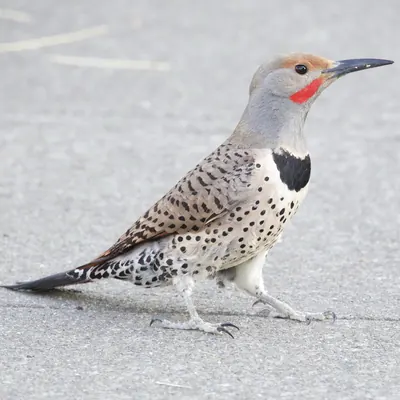 Northern Flicker63%
- 7
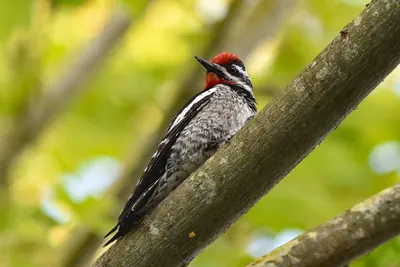 Red-naped Sapsucker51%
- 8
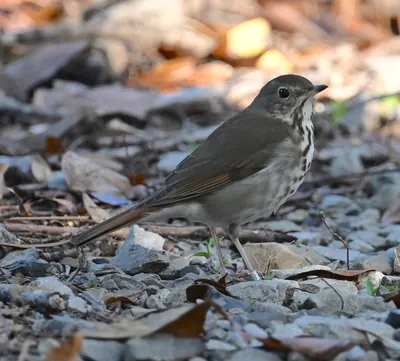 Hermit Thrush49%
- 9
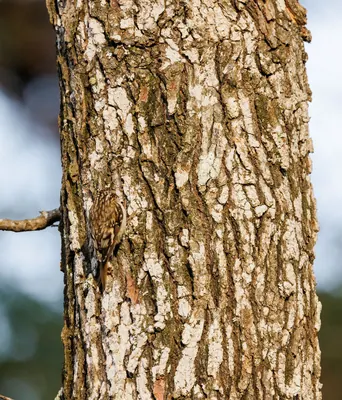 Brown Creeper44%
- 10
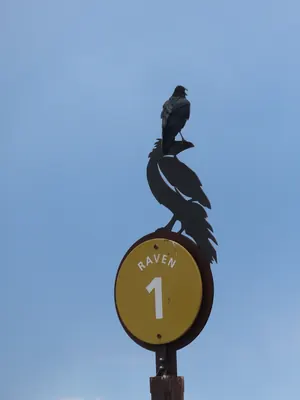 Common Raven44%
- 11
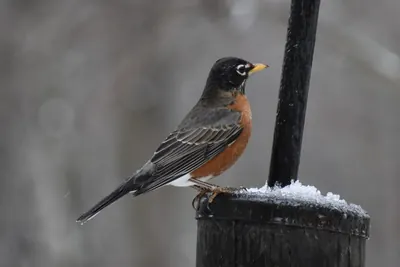 American Robin33%
- 12
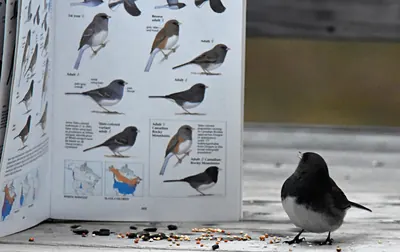 Dark-eyed Junco33%
- 13
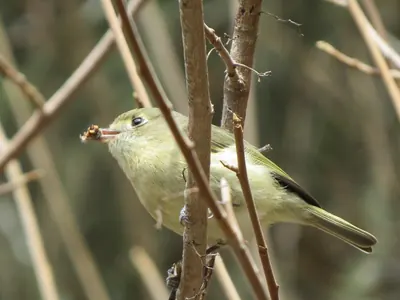 Hutton's Vireo33%
- 14
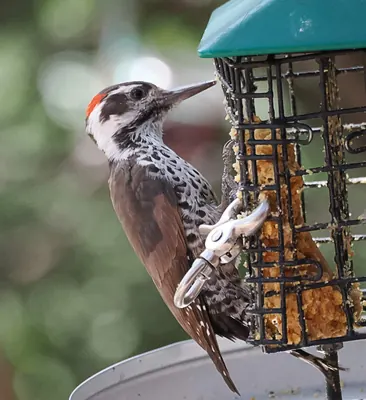 Arizona Woodpecker30%
- 15
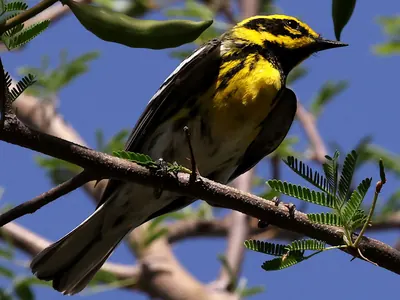 Townsend's Warbler30%
Share of complete checklists at this spot that reported the bird in November. The sparkline is the whole year, with this month highlighted.
Season by season
Winter 29 species
Spring 60 species
Summer 51 species
Fall 53 species
Specialties
Birds reported far more often here than across Arizona.
- Coppery-tailed Trogon
- Sulphur-bellied Flycatcher
- Red-faced Warbler
- Dusky-capped Flycatcher
- Painted Redstart
- Swainson's Thrush
- Brown Creeper
- Grace's Warbler
Nearby spots
- Coronado National Forest (Sylvester Spring) (0.9 km)
- Madera Canyon (south) (2.0 km)
- Madera Canyon (2.3 km)
- Madera Canyon (2) (2.4 km)
- Coronado National Forest (Madera Canyon) (2.4 km)
- Madera Canyon (north) (2.5 km)
Frequency is the share of complete checklists at this location that listed the bird, 2016–2025. Busy places report more of everything, and the weekly chart counts species on at least 5% of checklists so a few stray reports do not inflate it. How to read it.