Birding spot · Wake County, North Carolina
Birding at Wake County Open Space - Crabtree Creek Mitigation Project (Haleys Branch): What You'll See Each Week
In November, the birds most often reported at Wake County Open Space - Crabtree Creek Mitigation Project (Haleys Branch) are Double-crested Cormorant (94%), Great Blue Heron (81%), and Pied-billed Grebe (80%). It is busiest in spring, when 75 species turn up on at least 1 in 20 checklists, and species counts peak in late April (79 species). 171 species have been reported here across 2,210 complete checklists from 406 birders.
Species by week
In November: what to expect
- 1
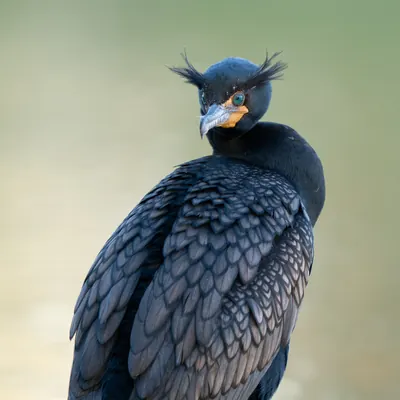 Double-crested Cormorant94%
- 2
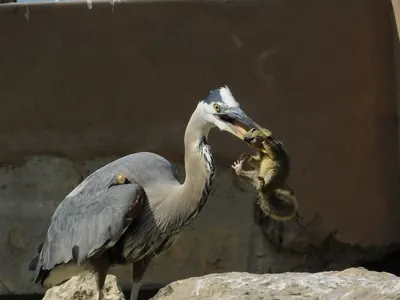 Great Blue Heron81%
- 3
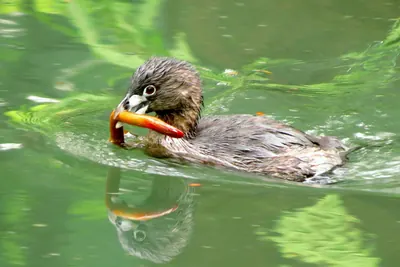 Pied-billed Grebe80%
- 4
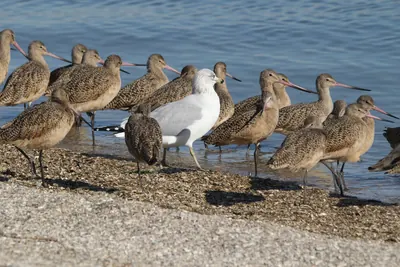 Ring-billed Gull80%
- 5
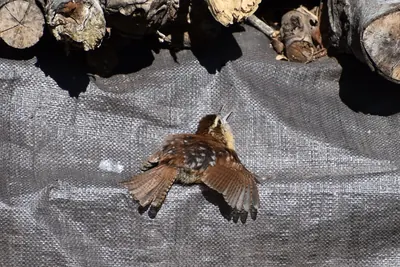 Carolina Wren78%
- 6
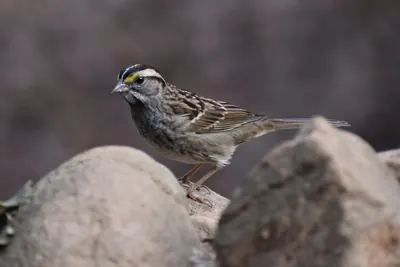 White-throated Sparrow77%
- 7
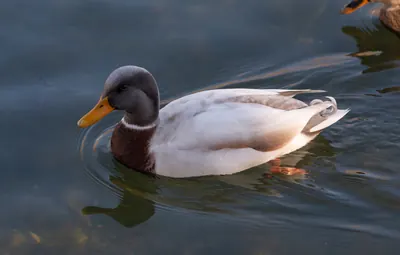 Mallard72%
- 8
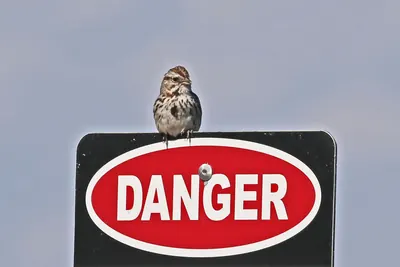 Song Sparrow72%
- 9
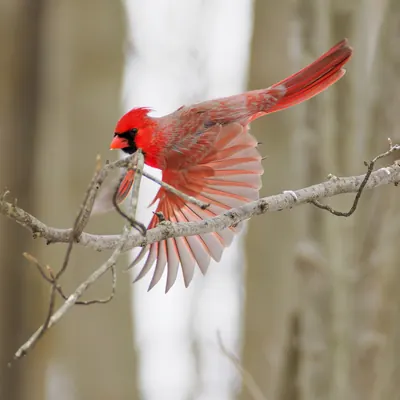 Northern Cardinal68%
- 10
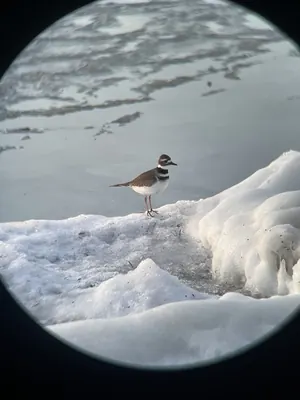 Killdeer61%
- 11
 Yellow-rumped Warbler60%
- 12
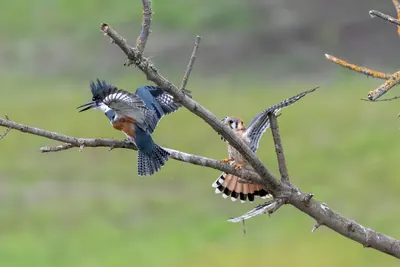 Belted Kingfisher59%
- 13
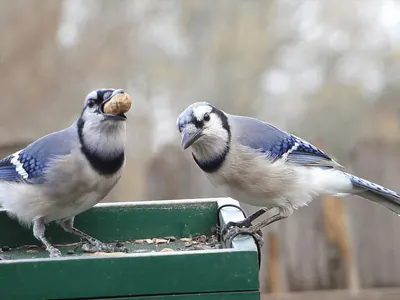 Blue Jay59%
- 14
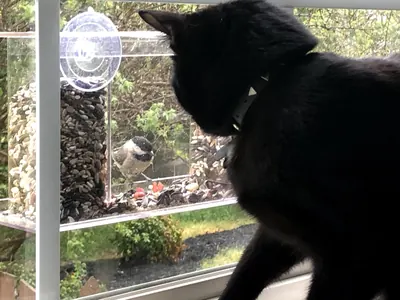 Carolina Chickadee57%
- 15
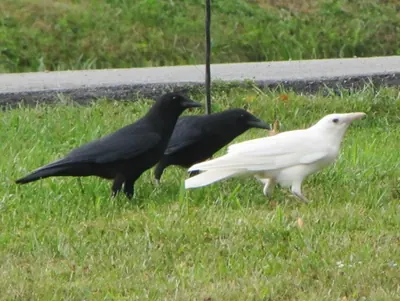 American Crow57%
Share of complete checklists at this spot that reported the bird in November. The sparkline is the whole year, with this month highlighted.
Season by season
Winter 56 species
Spring 75 species
Summer 61 species
Fall 61 species
Specialties
Birds reported far more often here than across North Carolina.
- Bonaparte's Gull
- Pied-billed Grebe
- Spotted Sandpiper
- Bald Eagle
- Lesser Scaup
- Double-crested Cormorant
- Hooded Merganser
- Mallard
Nearby spots
- Wake County Open Space - Lake Crabtree County Park (1.4 km)
- Wake County Open Space - Crabtree Creek Mitigation Project (2.6 km)
- Hazelwood (3.8 km)
- William B. Umstead State Park (4.1 km)
- Carl Alwin Schenck Memorial Forest (5.5 km)
- North Carolina State University Agricultural Research Land (Tysonville) (6.7 km)
Frequency is the share of complete checklists at this location that listed the bird, 2016–2025. Busy places report more of everything, and the weekly chart counts species on at least 5% of checklists so a few stray reports do not inflate it. How to read it.