Birding spot · Erie County, Ohio
Birding at Blue Hole: What You'll See Each Week
In November, the birds most often reported at Blue Hole are Mallard (100%), Gadwall (99%), and American Wigeon (97%). It is busiest in spring, when 33 species turn up on at least 1 in 20 checklists, and species counts peak in mid February (37 species). 91 species have been reported here across 1,348 complete checklists from 301 birders.
Species by week
In November: what to expect
- 1
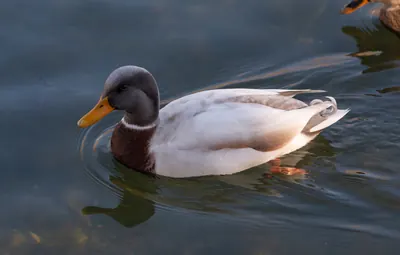 Mallard100%
- 2
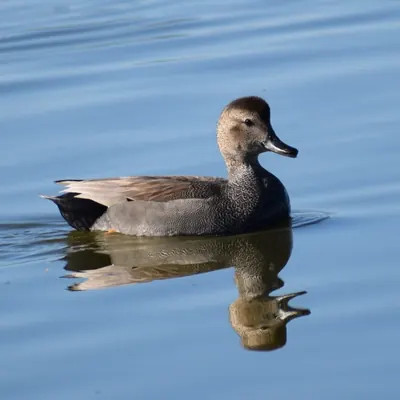 Gadwall99%
- 3
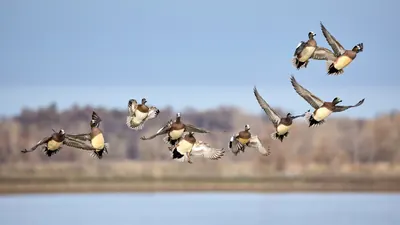 American Wigeon97%
- 4
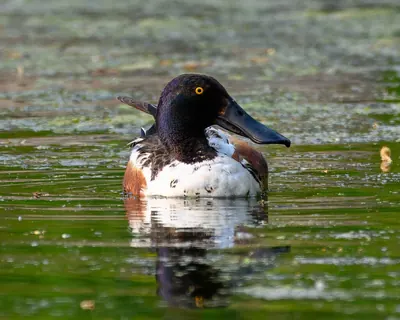 Northern Shoveler92%
- 5
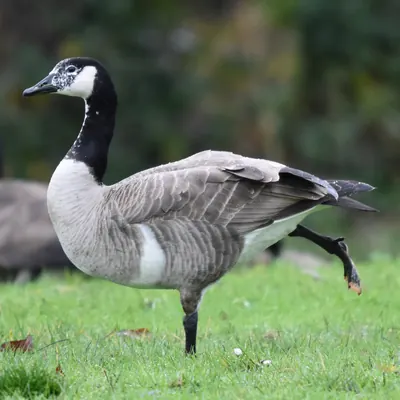 Canada Goose70%
- 6
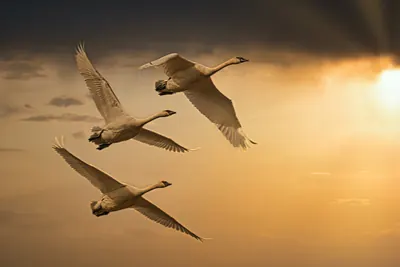 Trumpeter Swan24%
- 7
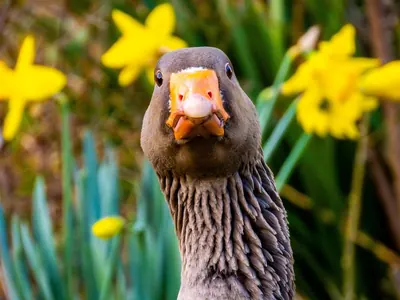 Graylag Goose7.0%
- 8
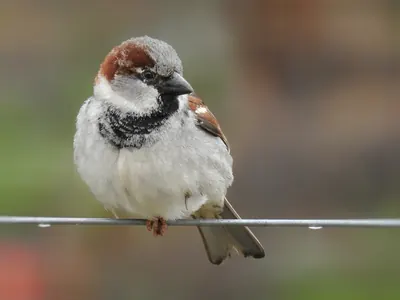 House Sparrow6.0%
- 9
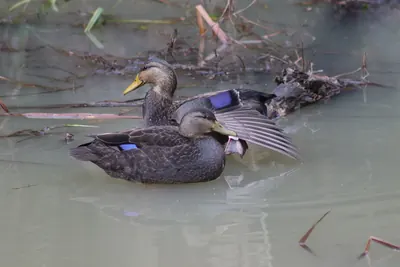 American Black Duck5.0%
- 10
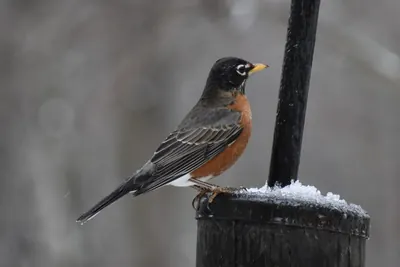 American Robin4.0%
- 11
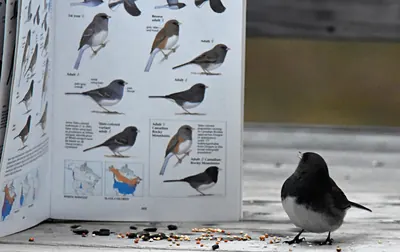 Dark-eyed Junco4.0%
- 12
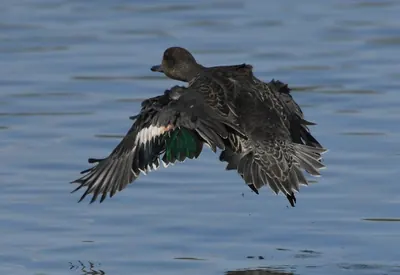 Green-winged Teal4.0%
- 13
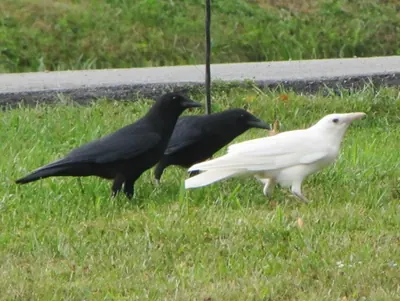 American Crow3.0%
- 14
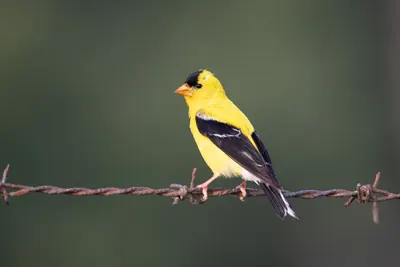 American Goldfinch3.0%
- 15
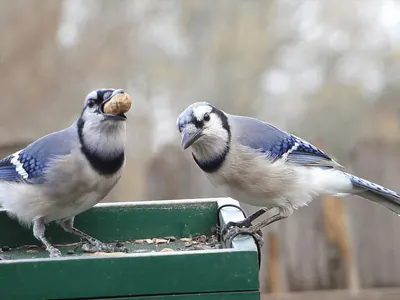 Blue Jay3.0%
Share of complete checklists at this spot that reported the bird in November. The sparkline is the whole year, with this month highlighted.
Season by season
Winter 27 species
- Mallard98%
- Canada Goose92%
- Northern Shoveler90%
- Gadwall88%
- American Wigeon84%
Spring 33 species
- Mallard97%
- Canada Goose90%
- American Robin52%
- Common Grackle50%
- Tree Swallow50%
Summer 0 species
Fall 14 species
- Mallard100%
- American Wigeon87%
- Gadwall81%
- Canada Goose76%
- Northern Shoveler72%
Specialties
Birds reported far more often here than across Ohio.
- Graylag Goose
- American Wigeon
- Northern Shoveler
- Gadwall
- Canvasback
- Redhead
- Common Goldeneye
- American Black Duck
Nearby spots
- Moxley Marsh (6.8 km)
- Meadowbrook Marsh (12.6 km)
- Pipe Creek Wilderness Area (13.0 km)
- East Sandusky Bay (14.0 km)
- East Harbor State Park (16.5 km)
- Sheldon Marsh Dedicated Nature Preserve (17.0 km)
Frequency is the share of complete checklists at this location that listed the bird, 2016–2025. Busy places report more of everything, and the weekly chart counts species on at least 5% of checklists so a few stray reports do not inflate it. How to read it.