Birding spot · Wayne County, Ohio
Birding at Killbuck Marsh Wildlife Area: What You'll See Each Week
In November, the birds most often reported at Killbuck Marsh Wildlife Area are Trumpeter Swan (61%), Blue Jay (52%), and Song Sparrow (47%). It is busiest in spring, when 94 species turn up on at least 1 in 20 checklists, and species counts peak in the second week of May (114 species). 183 species have been reported here across 1,125 complete checklists from 240 birders.
Species by week
In November: what to expect
- 1
 Trumpeter Swan61%
- 2
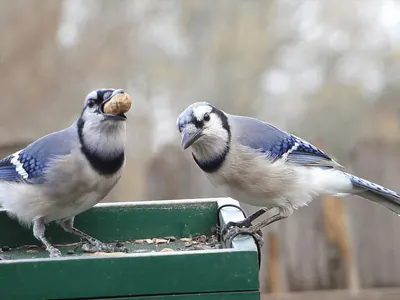 Blue Jay52%
- 3
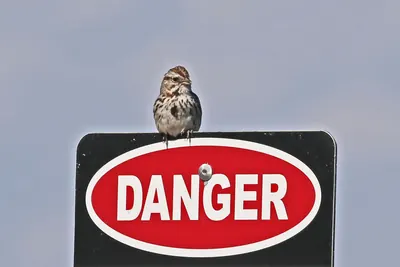 Song Sparrow47%
- 4
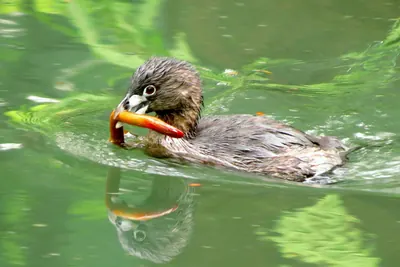 Pied-billed Grebe44%
- 5
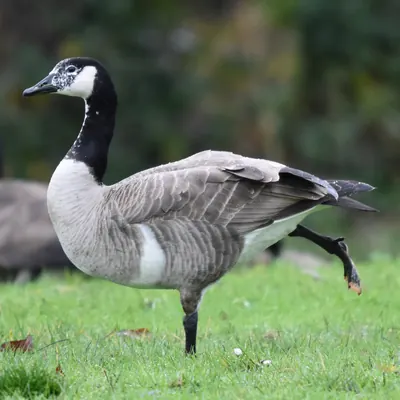 Canada Goose40%
- 6
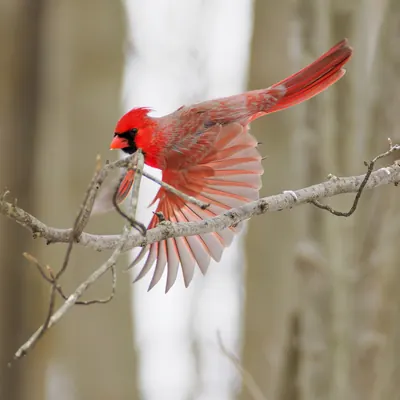 Northern Cardinal36%
- 7
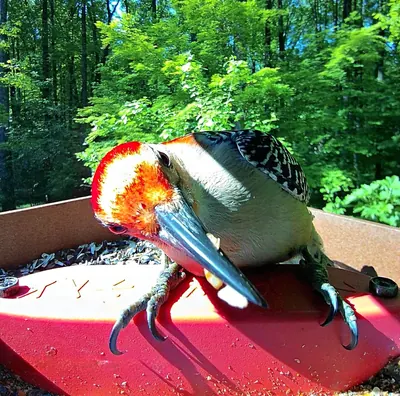 Red-bellied Woodpecker35%
- 8
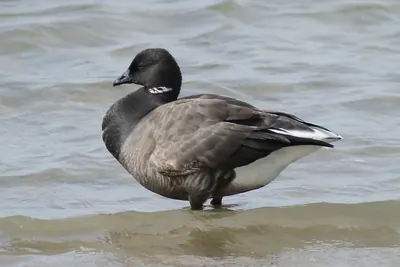 Brant33%
- 9
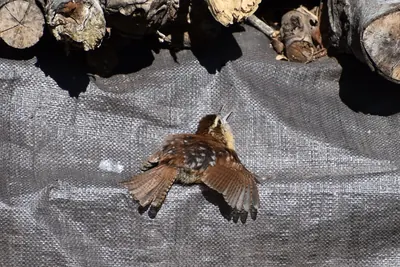 Carolina Wren33%
- 10
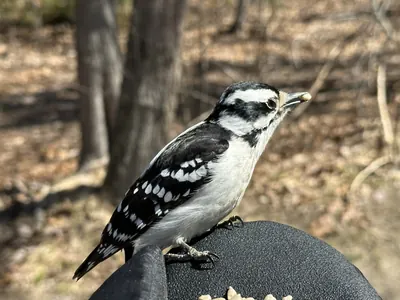 Downy Woodpecker29%
- 11
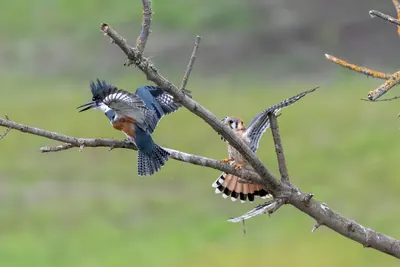 Belted Kingfisher28%
- 12
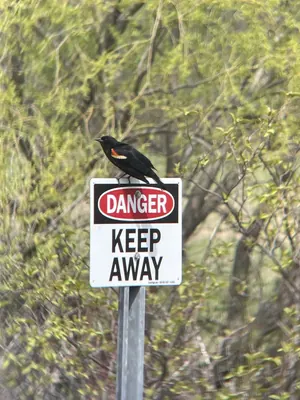 Red-winged Blackbird28%
- 13
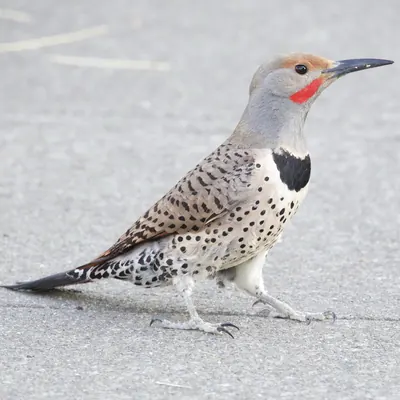 Northern Flicker25%
- 14
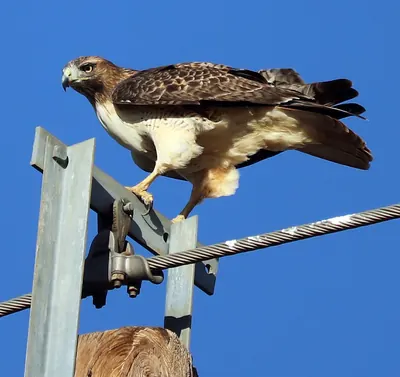 Red-tailed Hawk25%
- 15
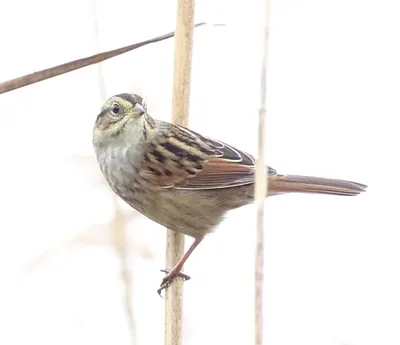 Swamp Sparrow25%
Share of complete checklists at this spot that reported the bird in November. The sparkline is the whole year, with this month highlighted.
Season by season
Winter 47 species
- Canada Goose65%
- Tundra Swan57%
- Trumpeter Swan49%
- Mallard38%
- Song Sparrow37%
Spring 94 species
Summer 82 species
Fall 57 species
Specialties
Birds reported far more often here than across Ohio.
- Common Gallinule
- Tundra Swan
- American Wigeon
- Sandhill Crane
- Trumpeter Swan
- Ring-necked Duck
- White-eyed Vireo
- Prothonotary Warbler
Nearby spots
- Killbuck Marsh Wildlife Area (Stringtown) (1.2 km)
- Killbuck Marsh Wildlife Area (south) (1.8 km)
- Killbuck Swamp (2.8 km)
- Killbuck Marsh Wildlife Area (Dush Pond) (3.4 km)
- Mohicanville Reservoir (9.3 km)
- Sylvan Lake (10.4 km)
Frequency is the share of complete checklists at this location that listed the bird, 2016–2025. Busy places report more of everything, and the weekly chart counts species on at least 5% of checklists so a few stray reports do not inflate it. How to read it.