Birding spot · Hampton County, Virginia
Birding at Fort Monroe National Monument: What You'll See Each Week In November, the birds most often reported at Fort Monroe National Monument are Double-crested Cormorant (87%), Brown Pelican (78%), and Ring-billed Gull (67%). It is busiest in spring, when 77 species turn up on at least 1 in 20 checklists, and species counts peak in early May (85 species). 171 species have been reported here across 1,551 complete checklists from 571 birders.
Species by week 0 20 40 60 80 100 Jan 1-7: 60 species on 5%+ of 31 checklists Jan 8-14: 48 species on 5%+ of 26 checklists Jan 15-21: 53 species on 5%+ of 44 checklists Jan 22-31: 64 species on 5%+ of 52 checklists Feb 1-7: 52 species on 5%+ of 54 checklists Feb 8-14: 49 species on 5%+ of 50 checklists Feb 15-21: 51 species on 5%+ of 47 checklists Feb 22-28: 50 species on 5%+ of 45 checklists Mar 1-7: 49 species on 5%+ of 64 checklists Mar 8-14: 55 species on 5%+ of 63 checklists Mar 15-21: 59 species on 5%+ of 69 checklists Mar 22-31: 65 species on 5%+ of 51 checklists Apr 1-7: 67 species on 5%+ of 19 checklists Apr 8-14: 48 species on 5%+ of 91 checklists Apr 15-21: 65 species on 5%+ of 59 checklists Apr 22-30: 79 species on 5%+ of 30 checklists May 1-7: 85 species on 5%+ of 38 checklists May 8-14: 67 species on 5%+ of 41 checklists May 15-21: 68 species on 5%+ of 31 checklists May 22-31: 70 species on 5%+ of 40 checklists Jun 1-7: 59 species on 5%+ of 26 checklists Jun 8-14: 61 species on 5%+ of 28 checklists Jun 15-21: 57 species on 5%+ of 11 checklists Jun 22-30: 44 species on 5%+ of 21 checklists Jul 1-7: 52 species on 5%+ of 22 checklists Jul 8-14: 65 species on 5%+ of 13 checklists Jul 15-21: 62 species on 5%+ of 12 checklists Jul 22-31: 49 species on 5%+ of 23 checklists Aug 1-7: 47 species on 5%+ of 22 checklists Aug 8-14: 57 species on 5%+ of 24 checklists Aug 15-21: 58 species on 5%+ of 16 checklists Aug 22-31: 50 species on 5%+ of 22 checklists Sep 1-7: 53 species on 5%+ of 23 checklists Sep 8-14: 41 species on 5%+ of 29 checklists Sep 15-21: 62 species on 5%+ of 45 checklists Sep 22-30: 60 species on 5%+ of 20 checklists Oct 1-7: 55 species on 5%+ of 12 checklists Oct 8-14: 81 species on 5%+ of 20 checklists Oct 15-21: low data (5 checklists) Oct 22-31: 76 species on 5%+ of 15 checklists Nov 1-7: 60 species on 5%+ of 11 checklists Nov 8-14: 74 species on 5%+ of 15 checklists Nov 15-21: 69 species on 5%+ of 15 checklists Nov 22-30: 53 species on 5%+ of 28 checklists Dec 1-7: low data (9 checklists) Dec 8-14: 55 species on 5%+ of 23 checklists Dec 15-21: 53 species on 5%+ of 45 checklists Dec 22-31: 53 species on 5%+ of 51 checklists Jan Feb Mar Apr May Jun Jul Aug Sep Oct Nov Dec Number of species reported on at least 5% of complete checklists, by week (4 per month). Grey bars: fewer than 10 checklists, not counted. In November: what to expect 1 Double-crested Cormorant 87% 2 Brown Pelican 78% 3 Ring-billed Gull 67% 4 Great Black-backed Gull 61% 5 Common Loon 59% 6 American Crow 58% 7 Bufflehead 57% 8 American Herring Gull 54% 9 Northern Mockingbird 51% 10 Yellow-rumped Warbler 51% 11 European Starling 46% 12 Great Blue Heron 43% 13 Song Sparrow 42% 14 Mourning Dove 36% 15 Eastern Bluebird 35% Share of complete checklists at this spot that reported the bird in November. The sparkline is the whole year, with this month highlighted.
Season by season Specialties Birds reported far more often here than across Virginia.
White Wagtail 5.9% of checklists here vs 0.1% statewide: 715.9× Razorbill 11% of checklists here vs 0.1% statewide: 107.5× Common Eider 6.9% of checklists here vs 0.1% statewide: 97.0× Gull-billed Tern 5.4% of checklists here vs 0.1% statewide: 69.1× Brant 7.2% of checklists here vs 0.2% statewide: 37.8× Common Tern 19% of checklists here vs 0.5% statewide: 36.3× Sandwich Tern 11% of checklists here vs 0.3% statewide: 34.9× Black Skimmer 12% of checklists here vs 0.5% statewide: 26.6× Nearby spots Frequency is the share of complete checklists at this location that listed the bird, 2016–2025. Busy places report more of everything, and the weekly chart counts species on at least 5% of checklists so a few stray reports do not inflate it. How to read it .
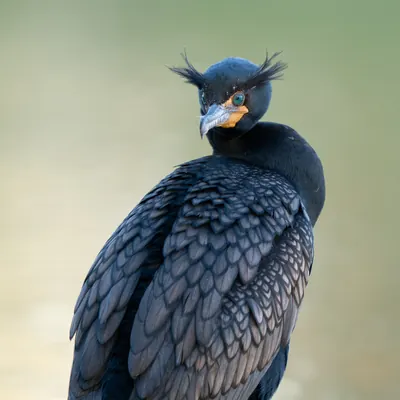 Double-crested Cormorant87%
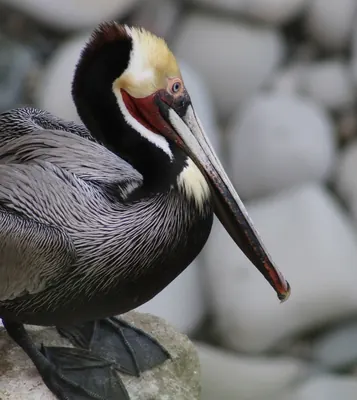 Brown Pelican78%
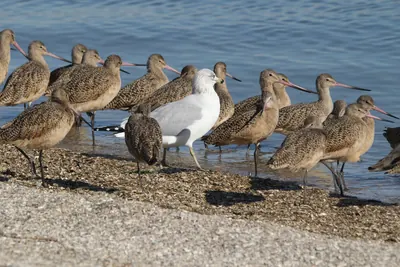 Ring-billed Gull67%
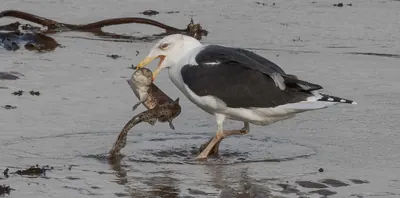 Great Black-backed Gull61%
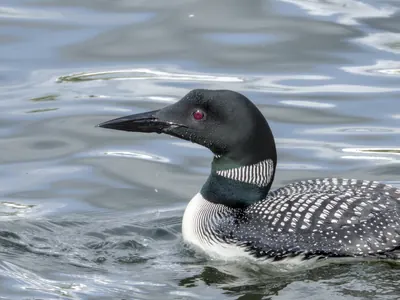 Common Loon59%
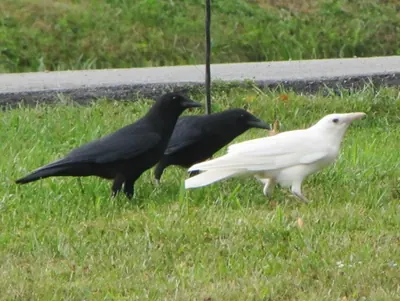 American Crow58%
 Bufflehead57%
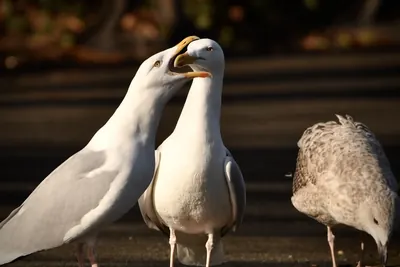 American Herring Gull54%
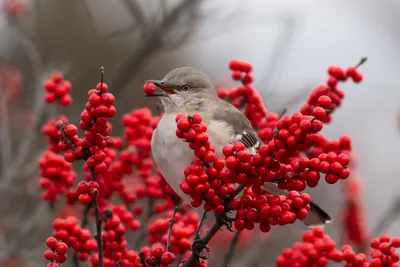 Northern Mockingbird51%
 Yellow-rumped Warbler51%
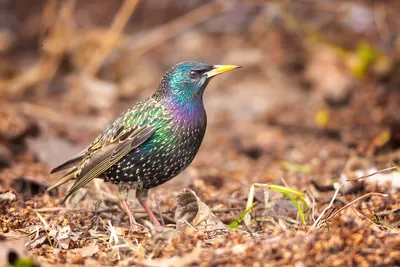 European Starling46%
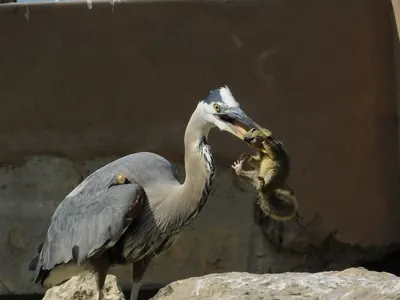 Great Blue Heron43%
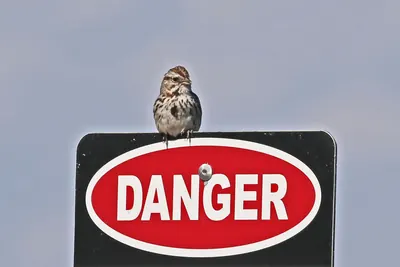 Song Sparrow42%
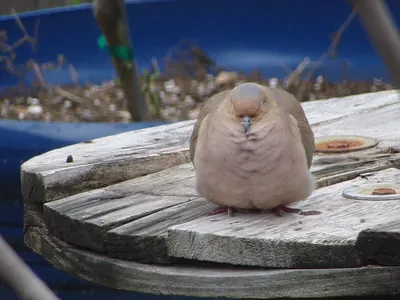 Mourning Dove36%
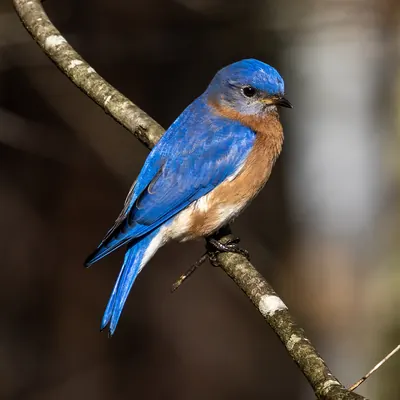 Eastern Bluebird35%