Birding spot · Dodge County, Wisconsin
Birding at Horicon National Wildlife Refuge (Stony Island): What You'll See Each Week
In November, the birds most often reported at Horicon National Wildlife Refuge (Stony Island) are Canada Goose (87%), Great Egret (87%), and Red-winged Blackbird (85%). It is busiest in spring, when 116 species turn up on at least 1 in 20 checklists, and species counts peak in the second week of May (118 species). 202 species have been reported here across 1,653 complete checklists from 674 birders.
Species by week
In November: what to expect
- 1
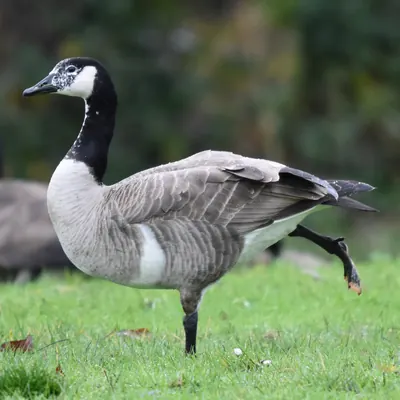 Canada Goose87%
- 2
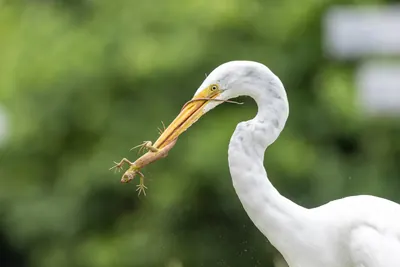 Great Egret87%
- 3
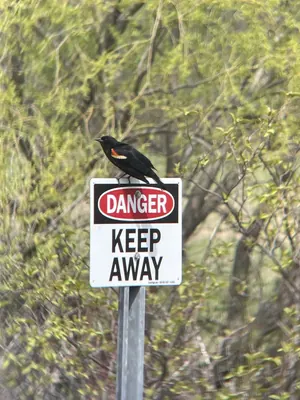 Red-winged Blackbird85%
- 4
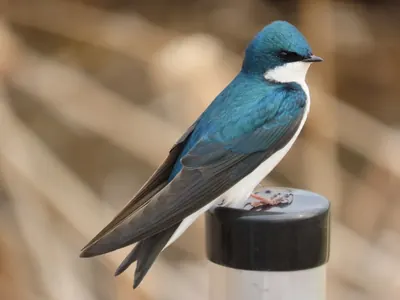 Tree Swallow82%
- 5
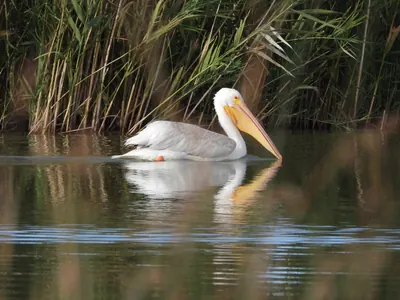 American White Pelican81%
- 6
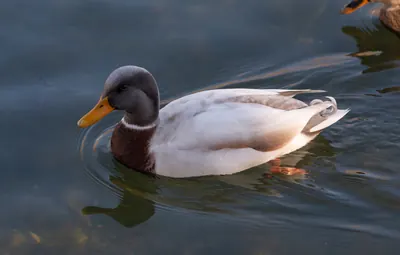 Mallard81%
- 7
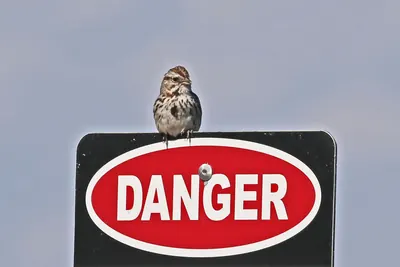 Song Sparrow78%
- 8
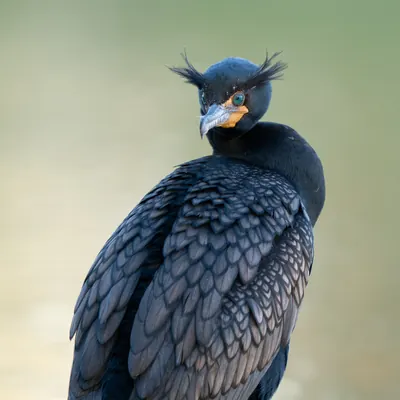 Double-crested Cormorant77%
- 9
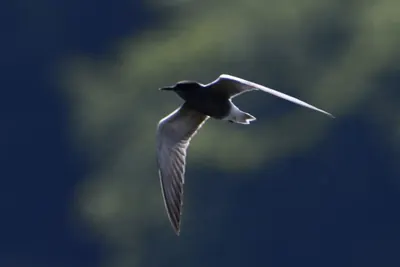 Black Tern75%
- 10
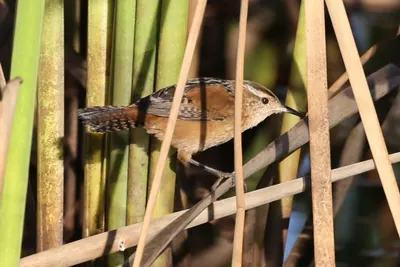 Marsh Wren75%
- 11
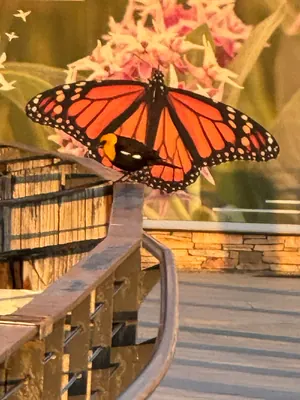 Yellow-headed Blackbird75%
- 12
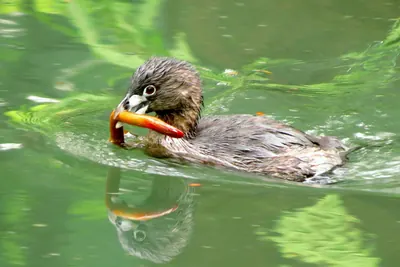 Pied-billed Grebe72%
- 13
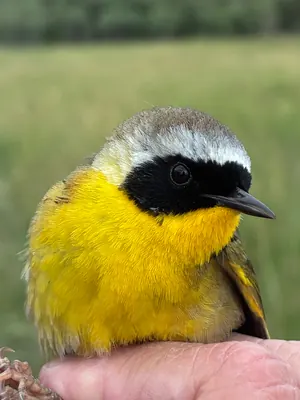 Common Yellowthroat72%
- 14
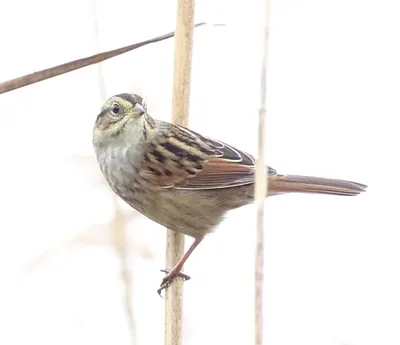 Swamp Sparrow71%
- 15
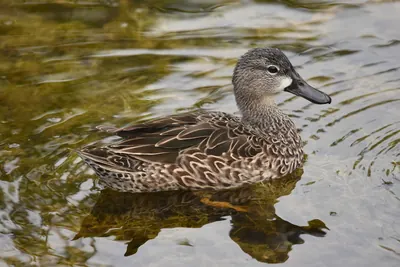 Blue-winged Teal71%
Share of complete checklists at this spot that reported the bird in November. The sparkline is the whole year, with this month highlighted.
Season by season
Winter 0 species
Spring 116 species
Summer 101 species
Fall 0 species
Specialties
Birds reported far more often here than across Wisconsin.
- Glossy Ibis
- Black-necked Stilt
- White-faced Ibis
- Least Bittern
- Common Gallinule
- Yellow-headed Blackbird
- Black Tern
- Black-crowned Night Heron
Nearby spots
- Horicon National Wildlife Refuge (northeast) (2.0 km)
- Horicon National Wildlife Refuge (east) (2.1 km)
- Horicon National Wildlife Refuge (2.3 km)
- Horicon National Wildlife Refuge (southeast) (2.6 km)
- 1 Reservoir (16.1 km)
- Lakeside Park West (25.4 km)
Frequency is the share of complete checklists at this location that listed the bird, 2016–2025. Busy places report more of everything, and the weekly chart counts species on at least 5% of checklists so a few stray reports do not inflate it. How to read it.