Birds in Kansas
Winter Birds in Kansas
The most likely birds in Kansas in winter are Dark-eyed Junco (56%), Northern Cardinal (51%), and Black-capped Chickadee (39%). 100 species show up on at least 1 in 100 checklists.
Percent of complete checklists in Kansas that reported the bird during these weeks, 2016–2025 (77,556 checklists). It shows how likely you are to list the bird, not how many there are. Methods.
Common this season
Share of checklists- 1
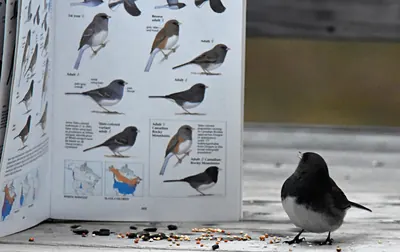 Dark-eyed Junco56%
- 2
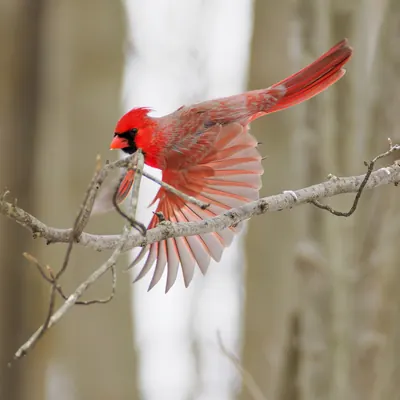 Northern Cardinal51%
- 3
 Black-capped Chickadee39%
- 4
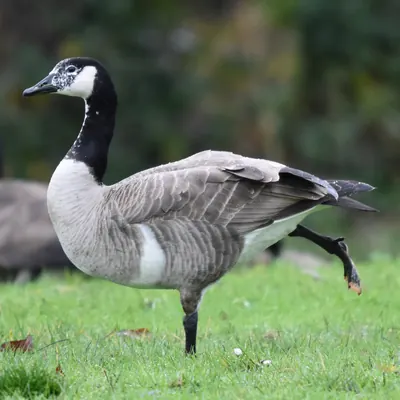 Canada Goose39%
- 5
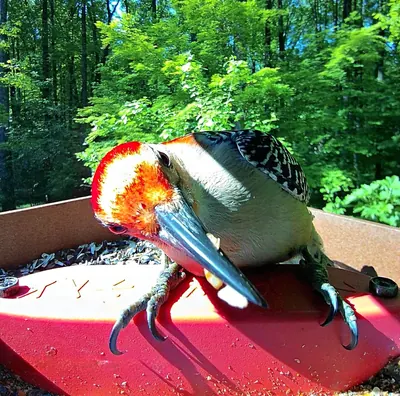 Red-bellied Woodpecker38%
- 6
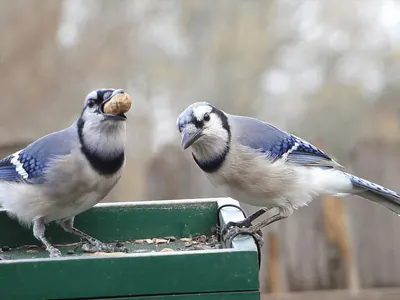 Blue Jay38%
- 7
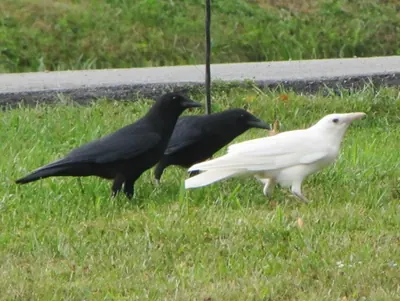 American Crow38%
- 8
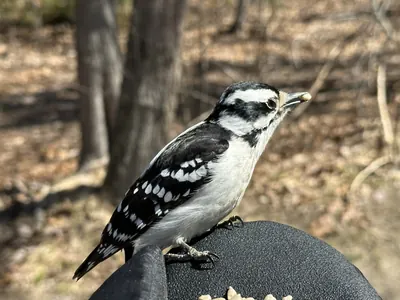 Downy Woodpecker36%
- 9
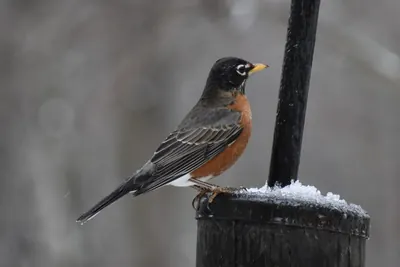 American Robin34%
- 10
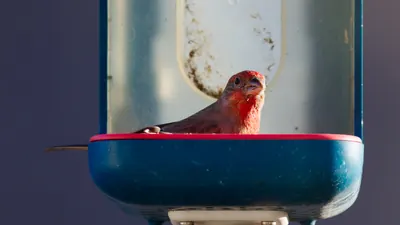 House Finch29%
- 11
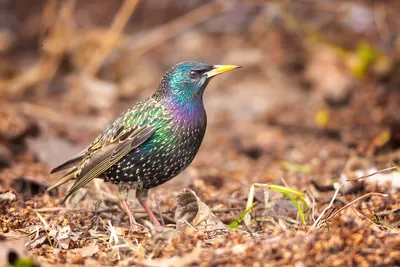 European Starling29%
- 12
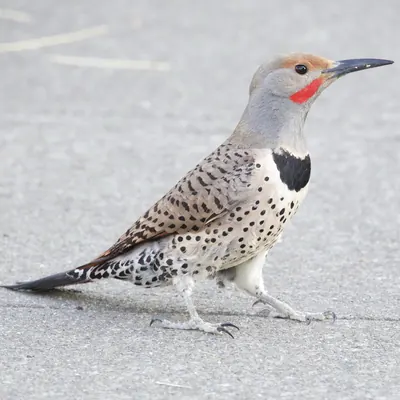 Northern Flicker28%
- 13
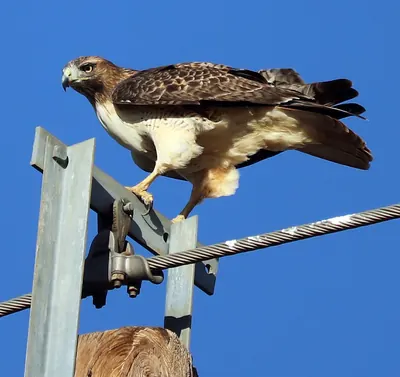 Red-tailed Hawk28%
- 14
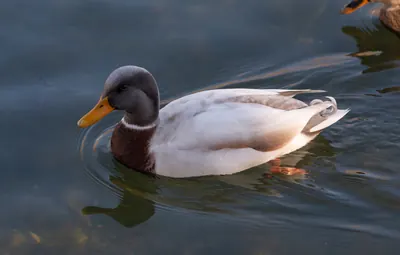 Mallard27%
- 15
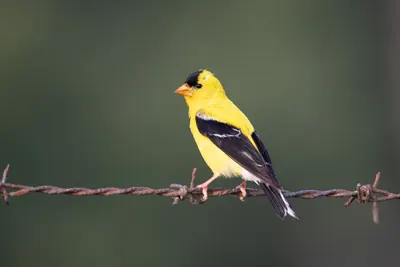 American Goldfinch26%
- 16
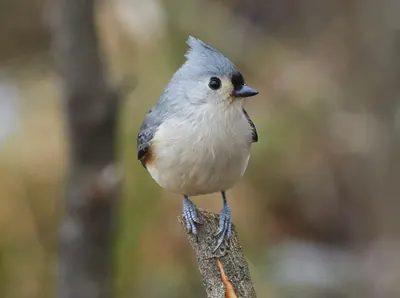 Tufted Titmouse26%
- 17
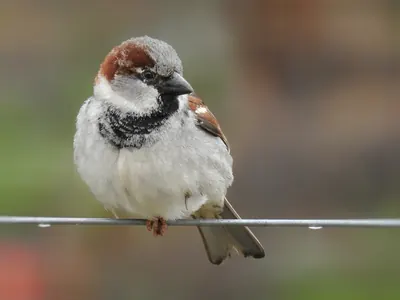 House Sparrow26%
- 18
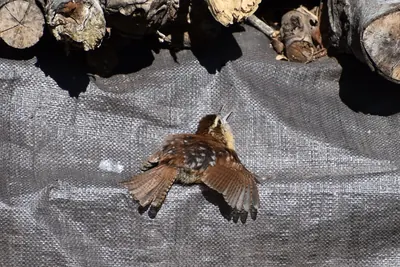 Carolina Wren23%
- 19
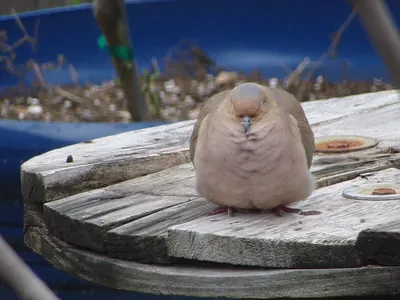 Mourning Dove22%
- 20
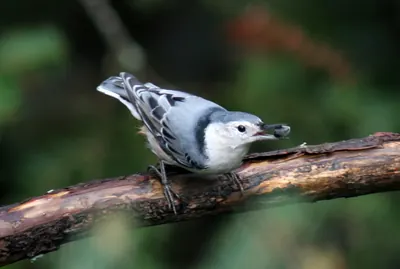 White-breasted Nuthatch20%
- 21
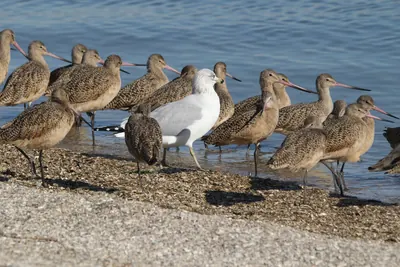 Ring-billed Gull20%
- 22
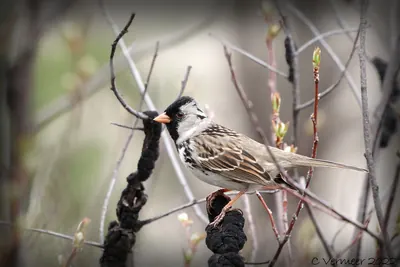 Harris's Sparrow18%
- 23
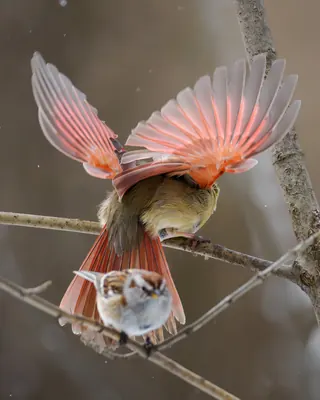 American Tree Sparrow17%
- 24
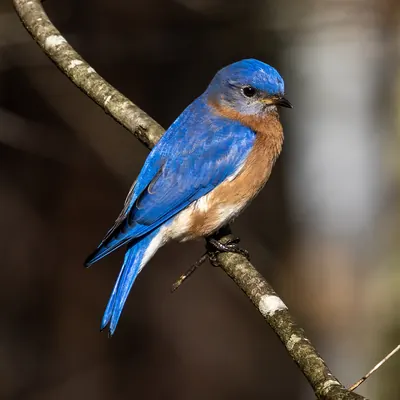 Eastern Bluebird17%
- 25
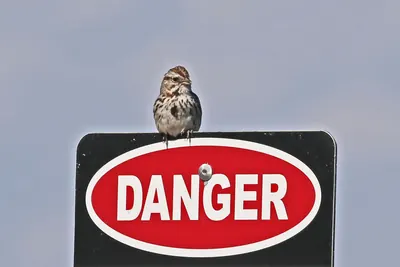 Song Sparrow15%
- 26
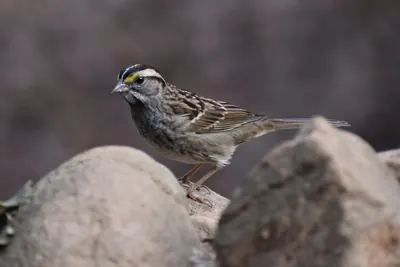 White-throated Sparrow15%
- 27
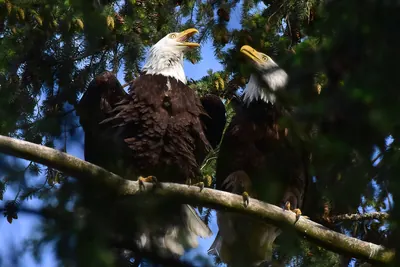 Bald Eagle15%
- 28
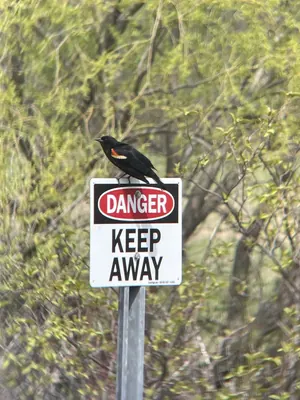 Red-winged Blackbird14%
- 29
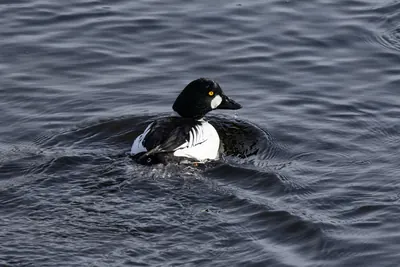 Common Goldeneye14%
- 30
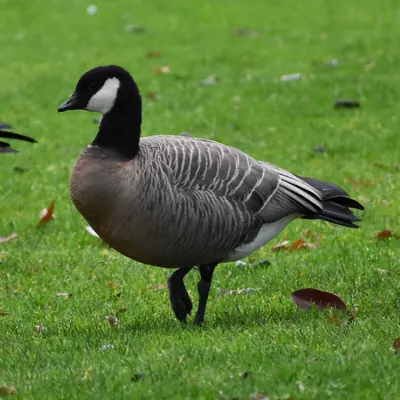 Cackling Goose11%
- 31
 Yellow-rumped Warbler11%
Arriving
New in winter- Common Grackle
- Killdeer
- Wood Duck
- Horned Lark
- Barred Owl
- Wild Turkey
- Ring-necked Pheasant
Leaving
Gone by the end of winter- Northern Flicker
- Double-crested Cormorant
- Belted Kingfisher
- American Kestrel
- Bonaparte's Gull
- Ring-necked Pheasant
- Sandhill Crane
- American Pipit
- Common Loon
- Horned Grebe
Less common
Share of checklists- 32Northern Harrier9.5%
- 33
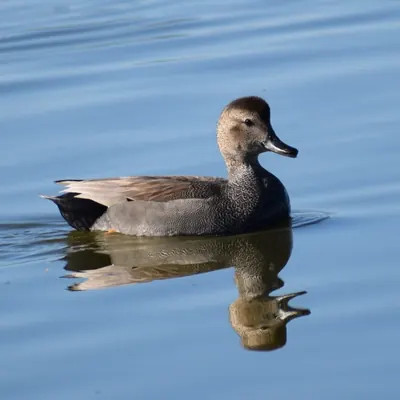 Gadwall9.5%
- 34
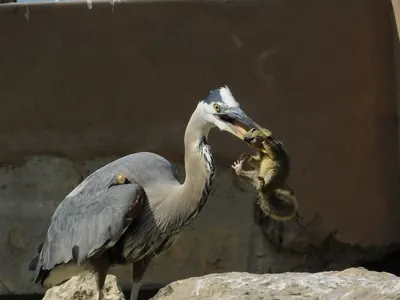 Great Blue Heron9.3%
- 35
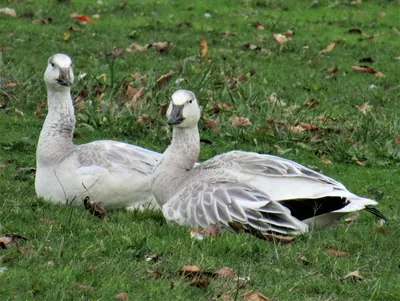 Snow Goose9.2%
- 36
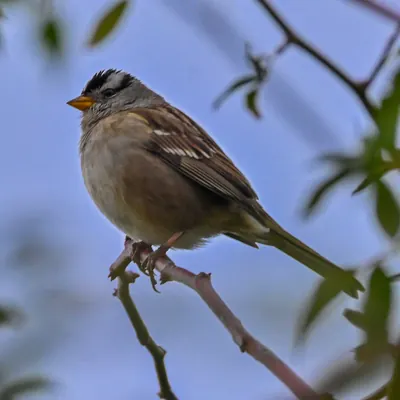 White-crowned Sparrow8.9%
- 37
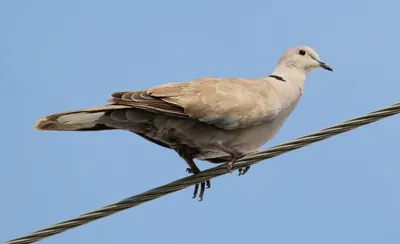 Eurasian Collared-Dove8.8%
- 38
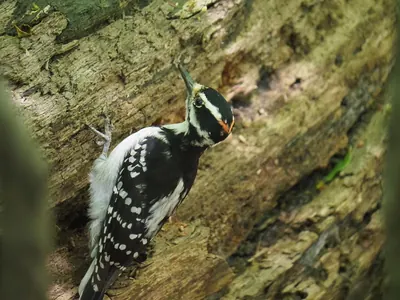 Hairy Woodpecker8.0%
- 39
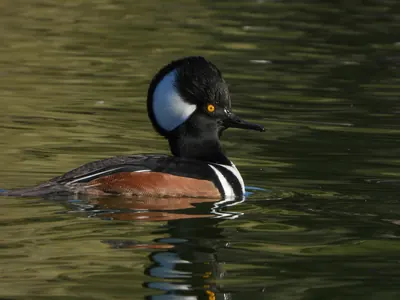 Hooded Merganser7.9%
- 40
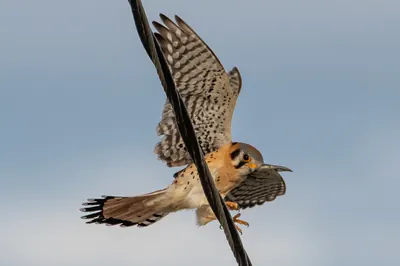 American Kestrel7.1%
- 41
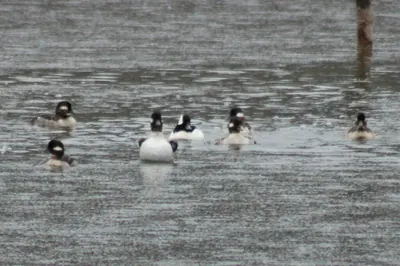 Bufflehead6.5%
- 42
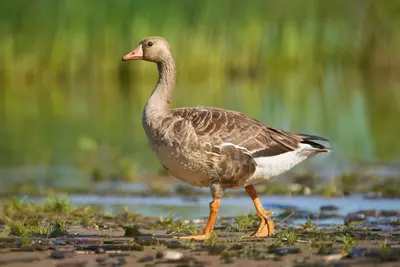 Greater White-fronted Goose6.3%
- 43
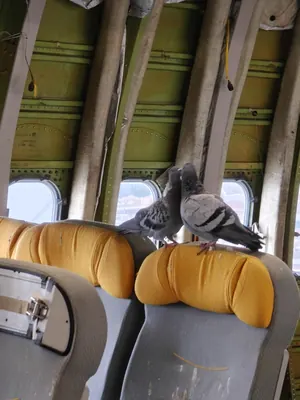 Rock Pigeon6.3%
- 44
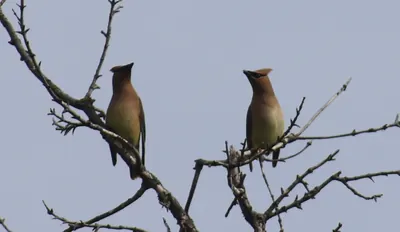 Cedar Waxwing6.3%
- 45
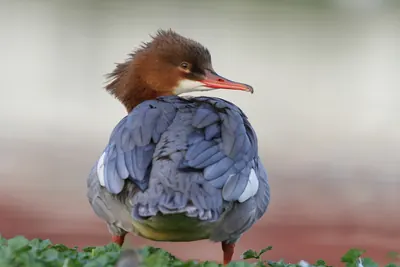 Common Merganser6.2%
- 46
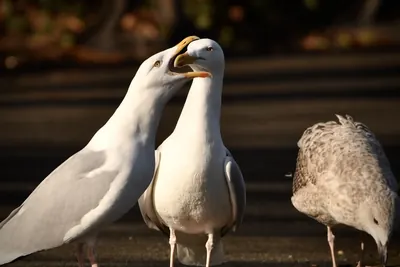 American Herring Gull6.1%
- 47
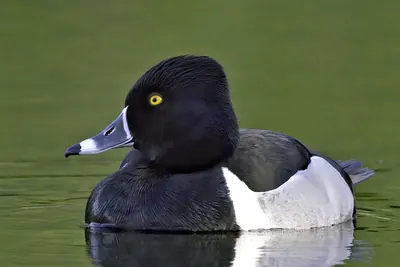 Ring-necked Duck6.0%
- 48
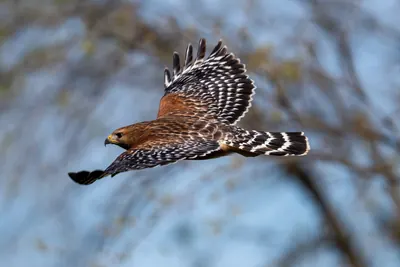 Red-shouldered Hawk5.9%
- 49
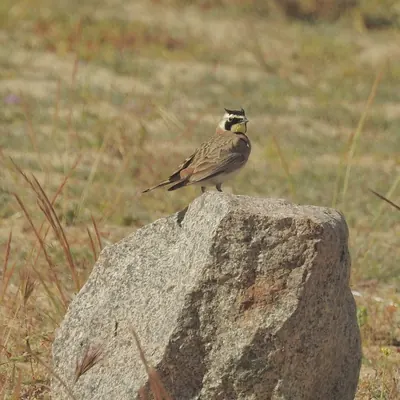 Horned Lark5.6%
- 50
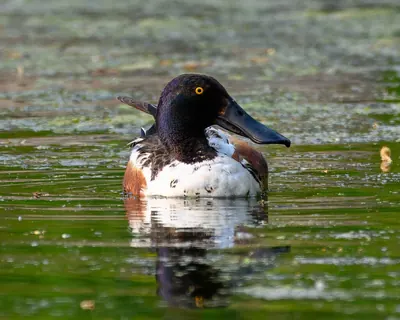 Northern Shoveler5.1%
- 51
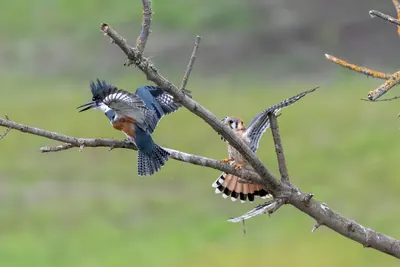 Belted Kingfisher5.1%
- 52
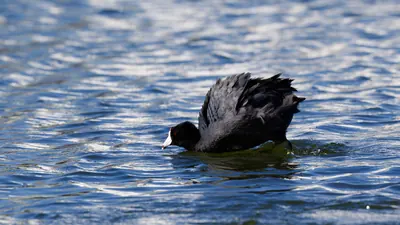 American Coot5.1%
- 53
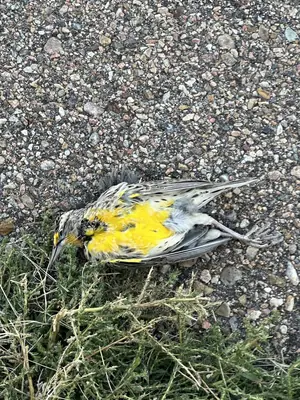 Western Meadowlark4.9%
- 54
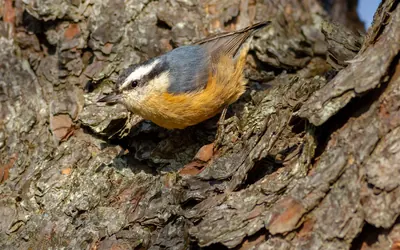 Red-breasted Nuthatch4.8%
- 55
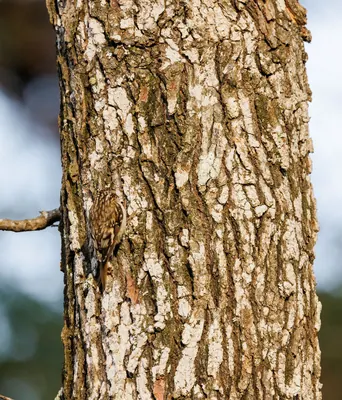 Brown Creeper4.7%
- 56
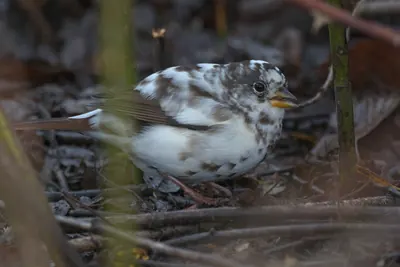 Fox Sparrow4.5%
- 57
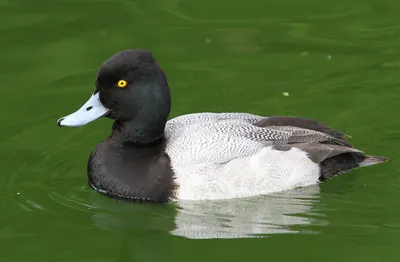 Lesser Scaup4.4%
- 58
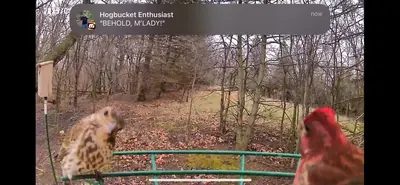 Purple Finch4.2%
- 59
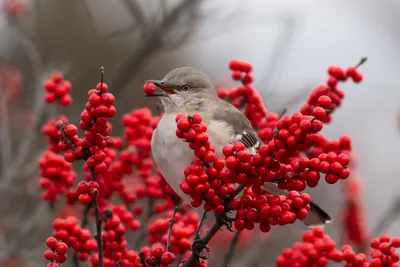 Northern Mockingbird4.1%
- 60
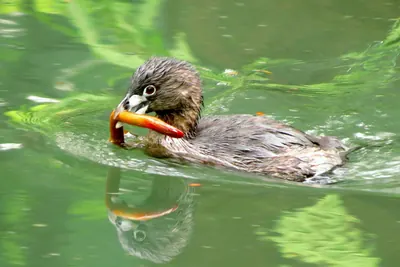 Pied-billed Grebe3.9%