November 9, 2026
Gifts for Birders Who Have Everything (2026)
Practical gift ideas for a birder, by budget. Binoculars, field guides, good seed, a phone scope adapter, rain gear, a refuge visit, a Christmas Bird Count, and an app that never bills them.
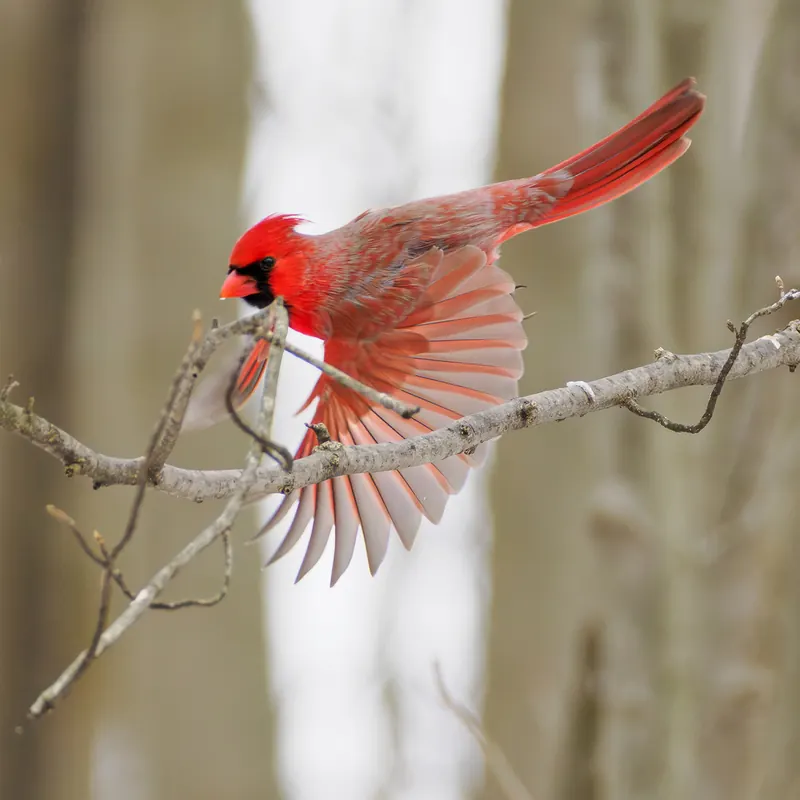
Buying for a birder is harder than it looks. The serious ones already own binoculars, three field guides and more bird mugs than they will ever use. The best gifts tend to be one of three things: an upgrade to something they use every day, a consumable they go through anyway, or a day out they would not plan for themselves.
Below are ideas in each of those groups, with rough price ranges. There are no affiliate links on this page, and nobody paid to be mentioned. Prices move, so treat the ranges as a guide to what is sensible, not a quote.
Gear, by budget
Under $50
- A 40-pound bag of black oil sunflower seed. It is the one food that brings in the widest range of feeder birds, from chickadees and cardinals to the winter finches that may come south this year. A birder with feeders goes through bags of it all winter, and a heavy bag is a real favor if they no longer like lifting one. Expect $30–60 depending on where you live. Fresh seed from a feed store or a bird shop is usually better than old stock from a big-box shelf.
- A small bag of hulled sunflower chips or Nyjer. Chips leave no shells under the feeder; Nyjer in a fine-port tube feeder is for goldfinches, siskins and redpolls. $15–40.
- A waterproof notebook and a pencil. Rite in the Rain and similar brands make pocket notebooks that work in drizzle. Many birders still sketch and take notes in the field before they enter a checklist. $10–20.
- A rain cover for their binoculars, or a lens pen and a microfiber cloth. Small, cheap and used constantly. $10–25.
$50–150
- A good tube feeder with metal ports and a squirrel baffle. Cheap plastic feeders crack in the cold and squirrels chew them. A sturdy feeder that comes apart for cleaning will last for years. $40–100 for the feeder, $25–50 for a baffle.
- A heated birdbath for someone in a cold state. Open water in a freeze brings in birds that never visit a seed feeder, like robins and bluebirds. $50–100.
- An up-to-date field guide. If they have used the same guide since the 1990s, names and splits have changed a lot since then. The Sibley Guide to Birds (second edition) and the National Geographic Field Guide to the Birds of North America (seventh edition) are the two most birders reach for. The regional Sibley guides, East or West, are lighter to carry. $25–45.
- A phone adapter for a spotting scope or binoculars. If they own a scope, an adapter that holds a phone over the eyepiece turns it into a long camera lens for distant ducks and shorebirds. This is called digiscoping. Check the eyepiece diameter of their scope first and buy an adapter that fits it, or one that adjusts. $30–100.
- Real rain gear. A packable waterproof jacket with a hood that does not block the view to the side, and rain pants for wet grass in the morning. Birds do not stop for rain, and neither does a Christmas Bird Count. $60–150 for a decent jacket.
$150 and up
- Binoculars. This is the gift that changes the most, but only if their current pair is old, heavy or blurry. Most birders like 8x42 (eight times magnification, 42 mm lenses): bright, steady and with a wide view. A good pair costs $150–300, and a very good one $300–600; above that you pay a lot for small gains. Look for waterproof, fog-proof and a close focus of about 2 meters (6 feet), which matters for butterflies and birds in a nearby bush. If you can, go to a store together and let them try a few pairs. Fit in the hand and how easily the eyecups line up with their eyes matter as much as the specs.
- A binocular harness. Older birders often get neck pain from a strap. A harness spreads the weight across the shoulders. $25–45, and worth adding to any binocular gift.
- A spotting scope is only for someone who already knows they want one: for waterfowl, shorebirds and hawk watches. Good starter scopes with a tripod run $300–700. Buy one together, not as a surprise.
Experiences
Time out birding with someone is often the gift a birder remembers longest.
- A guided walk. Most local Audubon chapters and bird clubs run free or cheap walks every week, and many nature centers offer winter programs. For a bigger treat, hire a local guide for a half day to look for one bird they have always wanted to see: an owl, a crane, a particular warbler next spring. Half-day guides often cost $100–250 for a small group. Write the plan in a card with a date in it.
- A refuge visit. National wildlife refuges are some of the best places to bird in winter: geese, cranes, ducks and eagles in numbers you rarely see elsewhere. A gift here can be as simple as a day trip with lunch and you as the driver. Add a Federal Duck Stamp ($25): most of the money buys and protects wetland habitat for refuges, and it works as an entry pass at refuges that charge an entrance fee. Birders who do not hunt buy them for exactly that reason.
- A Christmas Bird Count. Audubon's count runs from mid-December to early January, and each local count needs volunteers to walk a section or watch a feeder. It is free, beginners are welcome on a team, and it is a good way to meet the local birders. The gift is going with them, or doing the driving. Our guide to the 2026 Christmas Bird Count explains how to find a circle and sign up.
- A membership. A year with the local Audubon chapter, a bird observatory or a nature center supports the people who run the walks and keep the trails open. For a feeder watcher, signing them up for Project FeederWatch, the winter feeder survey from the Cornell Lab of Ornithology and Birds Canada, turns their kitchen-window counts into science.
Digital gifts
The most useful bird apps are free. Merlin identifies birds by photo and song, and eBird keeps a life list and shows what others are seeing. If the person you are buying for is not using them yet, the best gift may be ten minutes setting them up on their phone.
WhenToBird is free to read too: every species and state page, the week-by-week charts, Near me, photo and sound ID, the games, the life list and one full trip plan. What a WhenToBird Lifetime gift adds is unlimited trip planning (pick a place and dates, get the best spot each day and the birds to look for there), and which likely birds would be new for them at every nearby spot once they import their eBird list. You pay once, the code arrives by email, and they redeem it with their own email address. There is no subscription, it never renews, and it never charges them anything. If it turns out they do not want it, you can refund it within 30 days as long as the code has not been used. It suits someone who plans birding trips. If they only bird the backyard, the free version is enough, and a bag of good seed will make them happier.
If you are still stuck
Ask what they would like to see this year that they have never seen. Then give them the day to go and look for it: the drive, the lunch, the guide or simply your company. Our state birding guides show what to look for and where, season by season, and the winter birds by state pages show what is around right now. If they come home with a new bird, that will be the gift they talk about.
Related
- Northern Cardinal: when and where, by state
- Black-capped Chickadee: when and where, by state
- Dark-eyed Junco: when and where, by state