Birding spot · Orange County, California
Birding at William R Mason Regional Park: What You'll See Each Week
In November, the birds most often reported at William R Mason Regional Park are American Coot (94%), Ruddy Duck (93%), and Black Phoebe (91%). It is busiest in spring, when 83 species turn up on at least 1 in 20 checklists, and species counts peak in mid May (88 species). 193 species have been reported here across 2,364 complete checklists from 585 birders.
Species by week
In November: what to expect
- 1
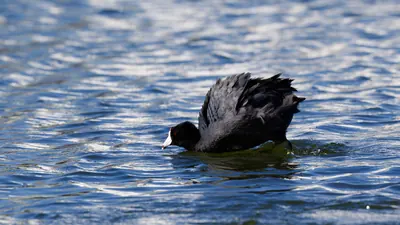 American Coot94%
- 2
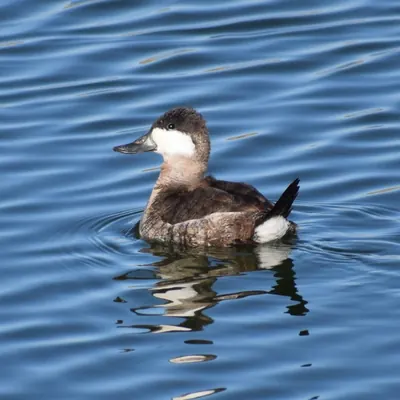 Ruddy Duck93%
- 3
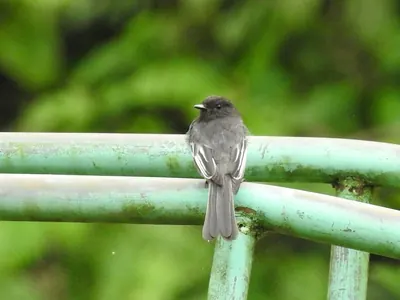 Black Phoebe91%
- 4
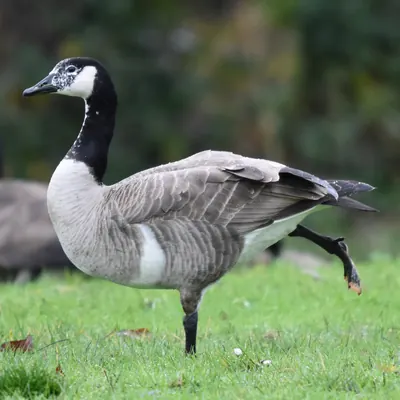 Canada Goose90%
- 5
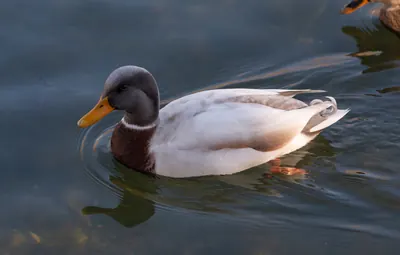 Mallard87%
- 6
 Yellow-rumped Warbler85%
- 7
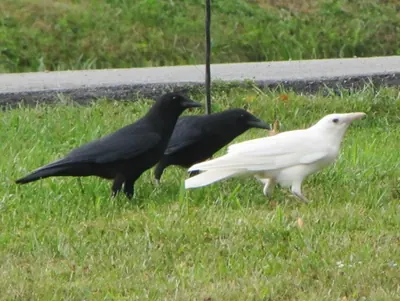 American Crow83%
- 8
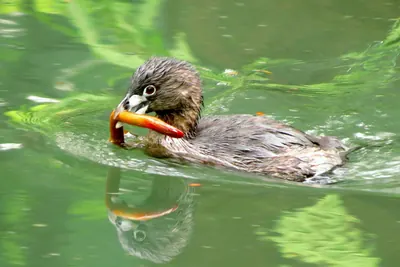 Pied-billed Grebe76%
- 9
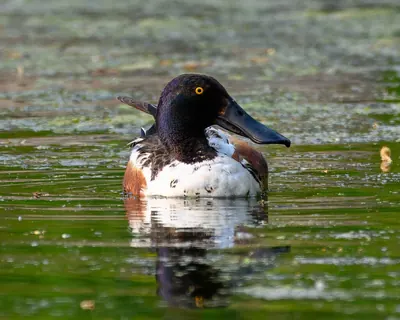 Northern Shoveler74%
- 10
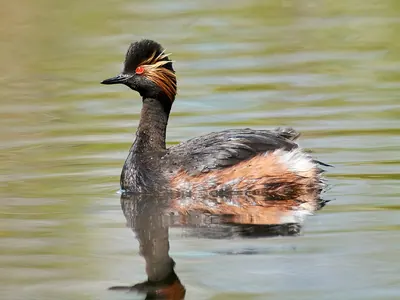 Eared Grebe72%
- 11
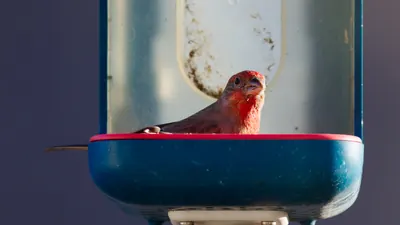 House Finch66%
- 12
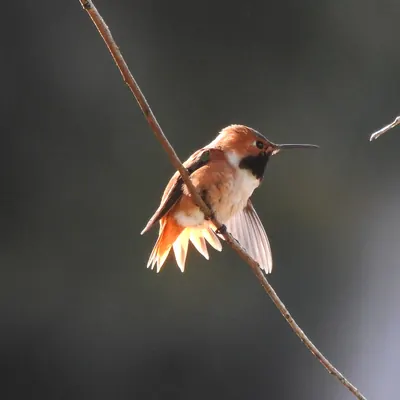 Allen's Hummingbird63%
- 13
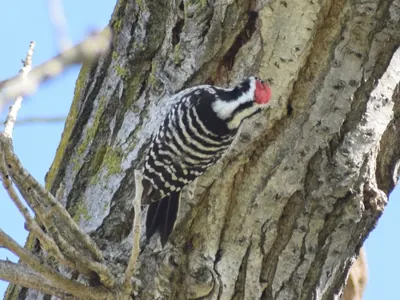 Nuttall's Woodpecker63%
- 14
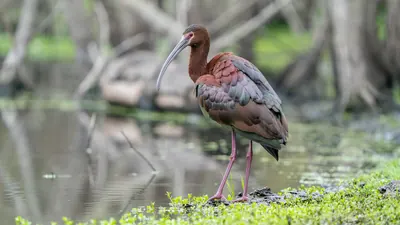 White-faced Ibis59%
- 15
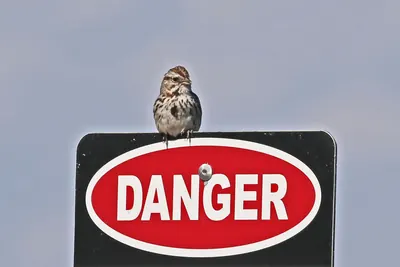 Song Sparrow56%
Share of complete checklists at this spot that reported the bird in November. The sparkline is the whole year, with this month highlighted.
Season by season
Winter 67 species
Spring 83 species
Summer 68 species
- Canada Goose93%
- Mallard93%
- American Crow93%
- Black Phoebe91%
- House Finch90%
Fall 72 species
- Black Phoebe92%
- American Coot88%
- Canada Goose88%
- American Crow87%
- Mallard87%
Specialties
Birds reported far more often here than across California.
- Egyptian Goose
- Summer Tanager
- Swinhoe's White-eye
- White-faced Ibis
- Pin-tailed Whydah
- Vermilion Flycatcher
- Hudsonian Whimbrel
- Spotted Sandpiper
Nearby spots
- San Joaquin Freshwater Marsh Reserve (southwest) (1.4 km)
- San Joaquin Freshwater Marsh Reserve (1.5 km)
- University of California, Irvine Open Space Reserve (2.4 km)
- South-Quail Hill Open Space Preserve (4.0 km)
- North Lake (4.2 km)
- Upper Newport Bay Nature Preserve (5.2 km)
Frequency is the share of complete checklists at this location that listed the bird, 2016–2025. Busy places report more of everything, and the weekly chart counts species on at least 5% of checklists so a few stray reports do not inflate it. How to read it.