Birding spot · Lee County, Florida
Birding at Corkscrew Regional Ecosystem Watershed (west): What You'll See Each Week
In November, the birds most often reported at Corkscrew Regional Ecosystem Watershed (west) are Little Blue Heron (99%), Palm Warbler (94%), and Great Blue Heron (91%). It is busiest in winter, when 84 species turn up on at least 1 in 20 checklists, and species counts peak in mid February (97 species). 158 species have been reported here across 913 complete checklists from 255 birders.
Species by week
In November: what to expect
- 1
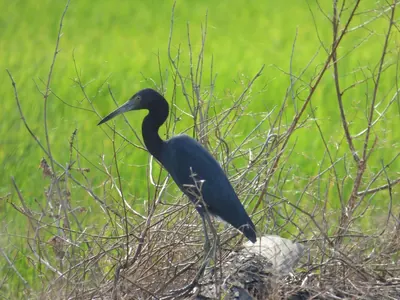 Little Blue Heron99%
- 2
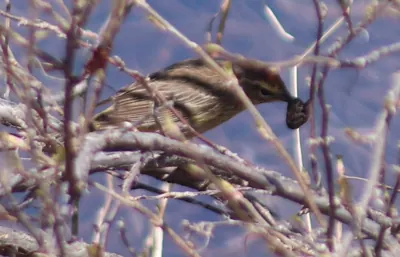 Palm Warbler94%
- 3
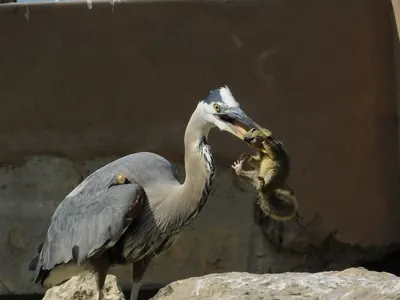 Great Blue Heron91%
- 4
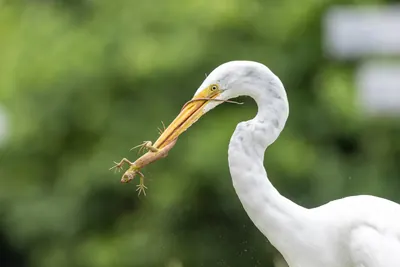 Great Egret91%
- 5
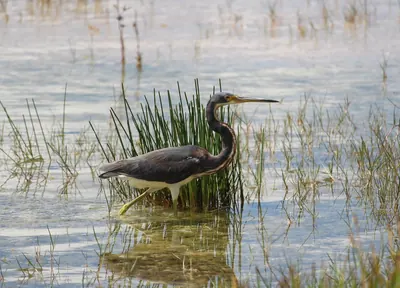 Tricolored Heron88%
- 6
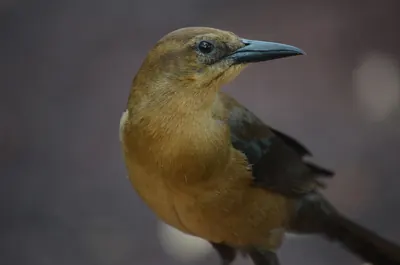 Boat-tailed Grackle85%
- 7
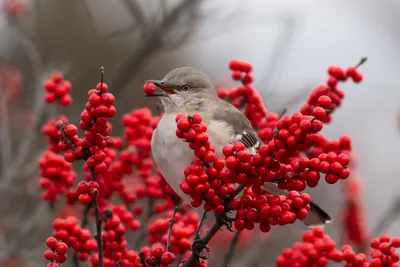 Northern Mockingbird85%
- 8
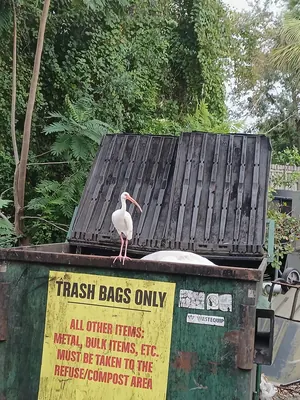 White Ibis83%
- 9
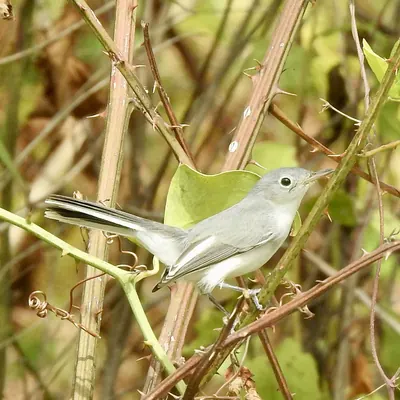 Blue-gray Gnatcatcher82%
- 10
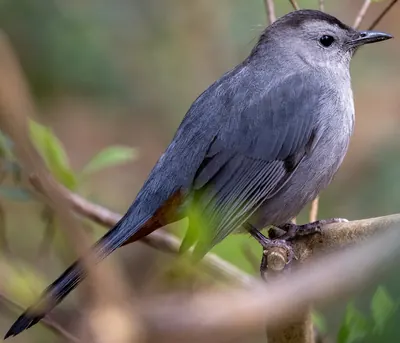 Gray Catbird82%
- 11
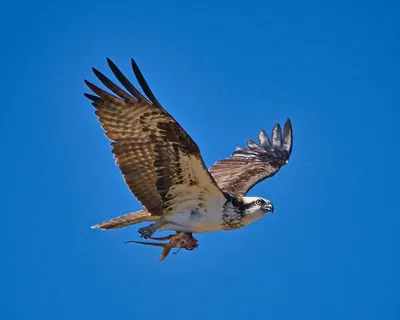 Osprey81%
- 12
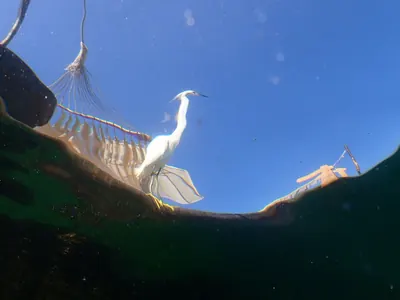 Snowy Egret81%
- 13
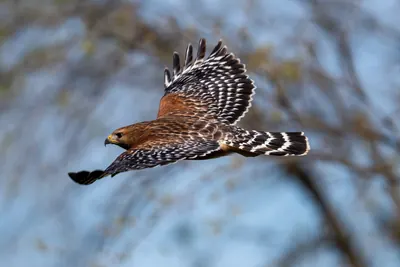 Red-shouldered Hawk80%
- 14
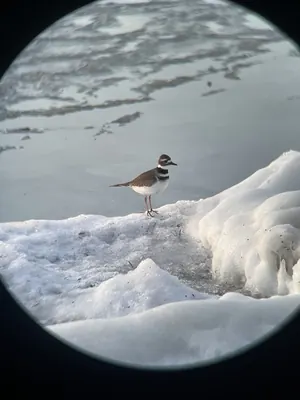 Killdeer77%
- 15
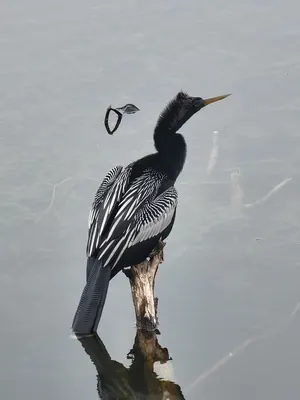 Anhinga76%
Share of complete checklists at this spot that reported the bird in November. The sparkline is the whole year, with this month highlighted.
Season by season
Winter 84 species
Spring 72 species
Summer 48 species
Fall 79 species
Specialties
Birds reported far more often here than across Florida.
- Red-headed Woodpecker
- King Rail
- Long-billed Dowitcher
- Greater Yellowlegs
- American Bittern
- Lesser Yellowlegs
- Snail Kite
- Northern Flicker
Nearby spots
- Corkscrew Regional Ecosystem Watershed (5.0 km)
- Corkscrew Swamp Sanctuary (9.0 km)
- Delnor-Wiggins Pass State Park (15.8 km)
- Clam Pass Park & Canoe Launch (18.7 km)
- Lovers Key State Park (20.1 km)
- Cambier Park (24.1 km)
Frequency is the share of complete checklists at this location that listed the bird, 2016–2025. Busy places report more of everything, and the weekly chart counts species on at least 5% of checklists so a few stray reports do not inflate it. How to read it.