Birding spot · Jefferson County, Kentucky
Birding at Blooms Eddy (historical): What You'll See Each Week
In November, the birds most often reported at Blooms Eddy (historical) are Double-crested Cormorant (61%), Canada Goose (56%), and Ring-billed Gull (50%). It is busiest in spring, when 33 species turn up on at least 1 in 20 checklists, and species counts peak in the second week of March (38 species). 100 species have been reported here across 967 complete checklists from 160 birders.
Species by week
In November: what to expect
- 1
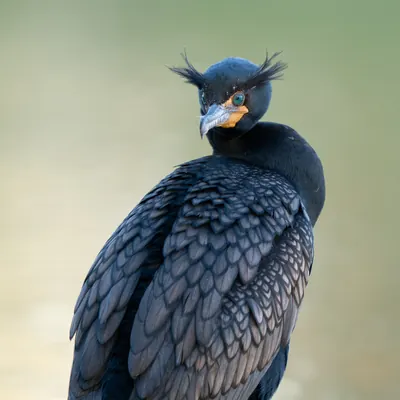 Double-crested Cormorant61%
- 2
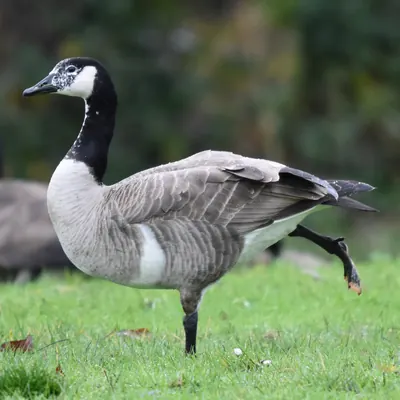 Canada Goose56%
- 3
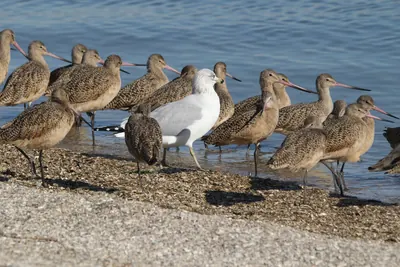 Ring-billed Gull50%
- 4
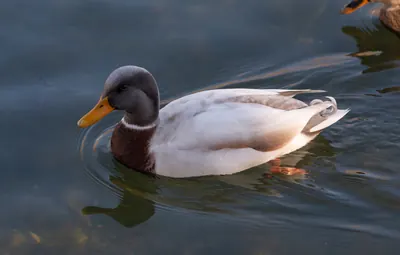 Mallard50%
- 5
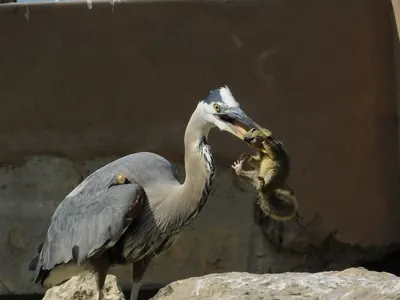 Great Blue Heron44%
- 6
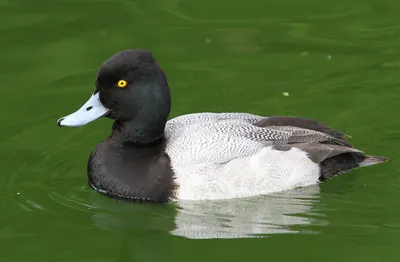 Lesser Scaup42%
- 7
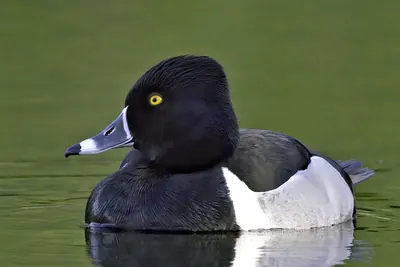 Ring-necked Duck40%
- 8
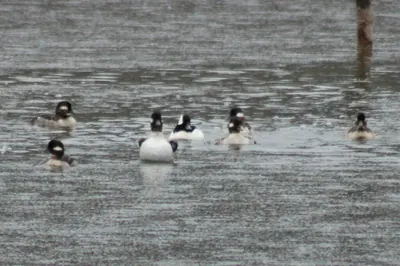 Bufflehead31%
- 9
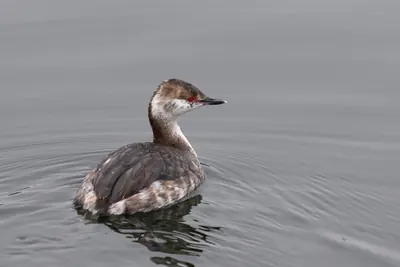 Horned Grebe24%
- 10
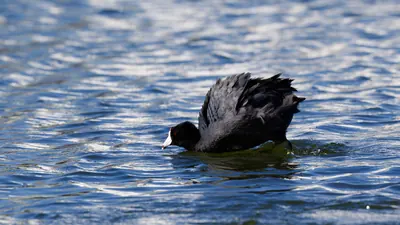 American Coot23%
- 11
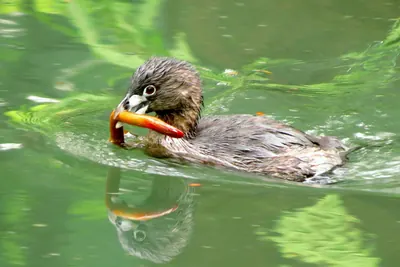 Pied-billed Grebe23%
- 12
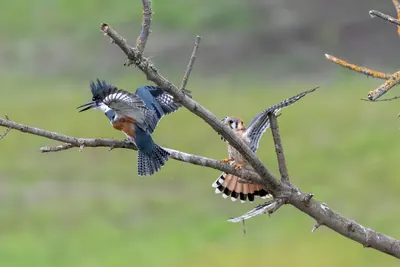 Belted Kingfisher14%
- 13
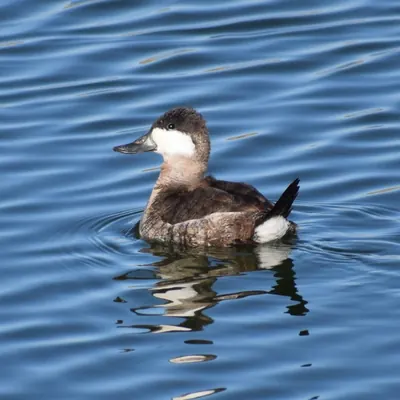 Ruddy Duck14%
- 14
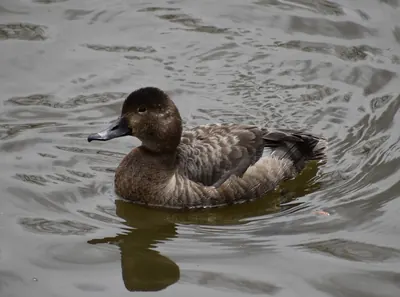 Redhead13%
- 15
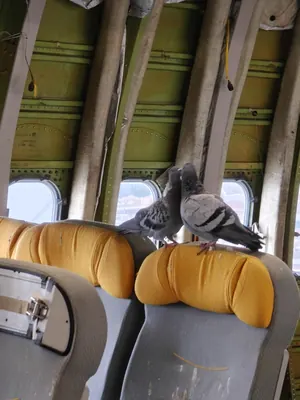 Rock Pigeon13%
Share of complete checklists at this spot that reported the bird in November. The sparkline is the whole year, with this month highlighted.
Season by season
Winter 25 species
Spring 33 species
Summer 29 species
Fall 30 species
Specialties
Birds reported far more often here than across Kentucky.
- Black Scoter
- Canvasback
- Greater Scaup
- Lesser Scaup
- Ring-necked Duck
- Common Goldeneye
- Peregrine Falcon
- Bufflehead
Nearby spots
- Falls of the Ohio (0.9 km)
- Cherokee Park (6.3 km)
- Caperton Swamp (7.1 km)
- Draut Park (11.4 km)
- Putney Pond and Woodlands (14.4 km)
- Hays Kennedy Park (14.4 km)
Frequency is the share of complete checklists at this location that listed the bird, 2016–2025. Busy places report more of everything, and the weekly chart counts species on at least 5% of checklists so a few stray reports do not inflate it. How to read it.