Birding spot · Dare County, North Carolina
Birding at Cape Hatteras National Seashore: What You'll See Each Week In November, the birds most often reported at Cape Hatteras National Seashore are Brown Pelican (85%), American Herring Gull (82%), and Laughing Gull (79%). It is busiest in fall, when 92 species turn up on at least 1 in 20 checklists, and species counts peak in late April (94 species). 198 species have been reported here across 1,306 complete checklists from 683 birders.
Species by week 0 20 40 60 80 100 Jan 1-7: 65 species on 5%+ of 26 checklists Jan 8-14: 83 species on 5%+ of 16 checklists Jan 15-21: 73 species on 5%+ of 10 checklists Jan 22-31: 70 species on 5%+ of 22 checklists Feb 1-7: 66 species on 5%+ of 10 checklists Feb 8-14: low data (5 checklists) Feb 15-21: 84 species on 5%+ of 20 checklists Feb 22-28: 74 species on 5%+ of 15 checklists Mar 1-7: low data (8 checklists) Mar 8-14: 81 species on 5%+ of 12 checklists Mar 15-21: low data (8 checklists) Mar 22-31: low data (6 checklists) Apr 1-7: 72 species on 5%+ of 12 checklists Apr 8-14: low data (6 checklists) Apr 15-21: 91 species on 5%+ of 10 checklists Apr 22-30: 94 species on 5%+ of 16 checklists May 1-7: 76 species on 5%+ of 22 checklists May 8-14: 87 species on 5%+ of 36 checklists May 15-21: 87 species on 5%+ of 59 checklists May 22-31: 69 species on 5%+ of 175 checklists Jun 1-7: 67 species on 5%+ of 102 checklists Jun 8-14: 70 species on 5%+ of 41 checklists Jun 15-21: 65 species on 5%+ of 28 checklists Jun 22-30: 66 species on 5%+ of 26 checklists Jul 1-7: 66 species on 5%+ of 22 checklists Jul 8-14: 73 species on 5%+ of 29 checklists Jul 15-21: 74 species on 5%+ of 38 checklists Jul 22-31: 77 species on 5%+ of 65 checklists Aug 1-7: 80 species on 5%+ of 62 checklists Aug 8-14: 79 species on 5%+ of 56 checklists Aug 15-21: 84 species on 5%+ of 58 checklists Aug 22-31: 70 species on 5%+ of 84 checklists Sep 1-7: 80 species on 5%+ of 34 checklists Sep 8-14: 75 species on 5%+ of 25 checklists Sep 15-21: low data (7 checklists) Sep 22-30: low data (9 checklists) Oct 1-7: low data (3 checklists) Oct 8-14: low data (7 checklists) Oct 15-21: 76 species on 5%+ of 22 checklists Oct 22-31: low data (9 checklists) Nov 1-7: low data (7 checklists) Nov 8-14: low data (8 checklists) Nov 15-21: low data (4 checklists) Nov 22-30: 79 species on 5%+ of 15 checklists Dec 1-7: low data (6 checklists) Dec 8-14: low data (8 checklists) Dec 15-21: low data (4 checklists) Dec 22-31: 73 species on 5%+ of 33 checklists Jan Feb Mar Apr May Jun Jul Aug Sep Oct Nov Dec Number of species reported on at least 5% of complete checklists, by week (4 per month). Grey bars: fewer than 10 checklists, not counted. In November: what to expect 1 Brown Pelican 85% 2 American Herring Gull 82% 3 Laughing Gull 79% 4 Ring-billed Gull 79% 5 Double-crested Cormorant 76% 6 Great Black-backed Gull 76% 7 Turkey Vulture 76% 8 Gadwall 71% 9 Lesser Black-backed Gull 68% 10 Pied-billed Grebe 68% 11 American Black Duck 62% 12 Great Blue Heron 62% 13 Great Egret 62% 14 Canada Goose 59% 15 Boat-tailed Grackle 53% Share of complete checklists at this spot that reported the bird in November. The sparkline is the whole year, with this month highlighted.
Season by season Specialties Birds reported far more often here than across North Carolina.
Nearby spots Frequency is the share of complete checklists at this location that listed the bird, 2016–2025. Busy places report more of everything, and the weekly chart counts species on at least 5% of checklists so a few stray reports do not inflate it. How to read it .
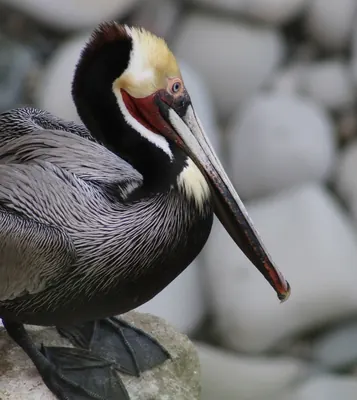 Brown Pelican85%
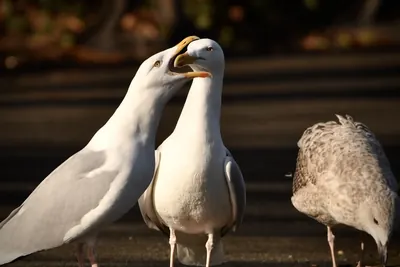 American Herring Gull82%
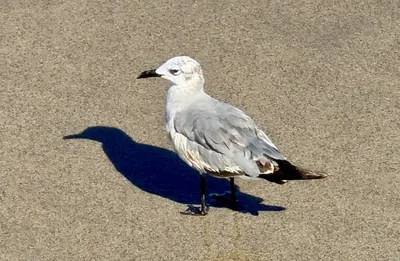 Laughing Gull79%
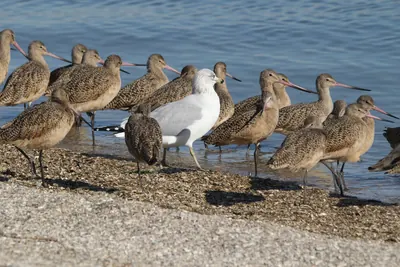 Ring-billed Gull79%
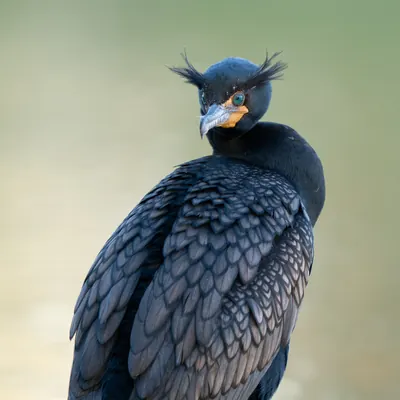 Double-crested Cormorant76%
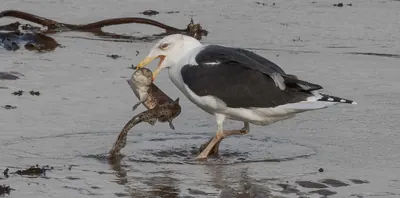 Great Black-backed Gull76%
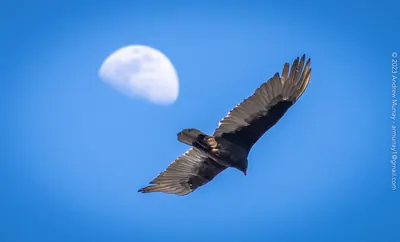 Turkey Vulture76%
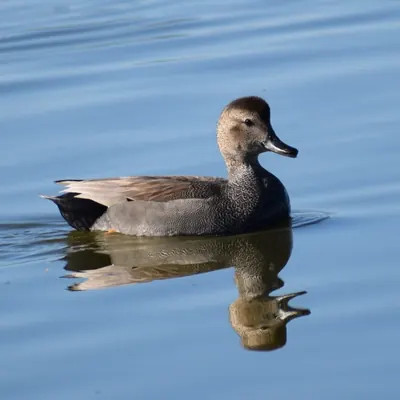 Gadwall71%
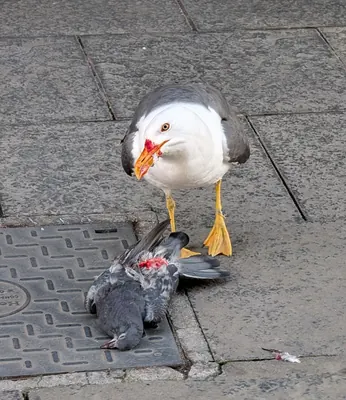 Lesser Black-backed Gull68%
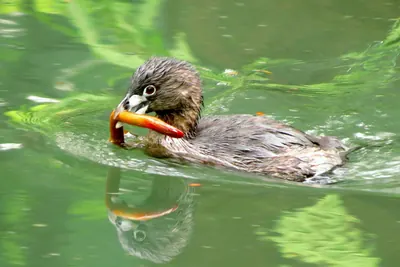 Pied-billed Grebe68%
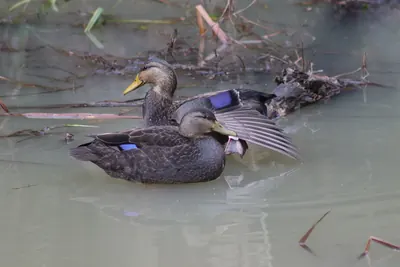 American Black Duck62%
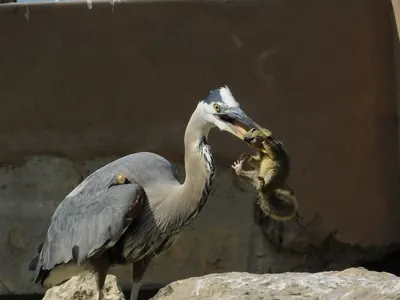 Great Blue Heron62%
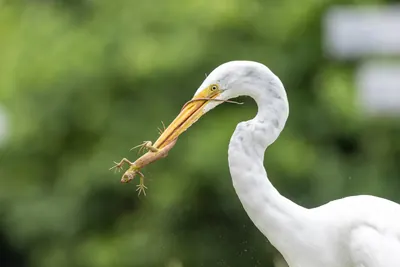 Great Egret62%
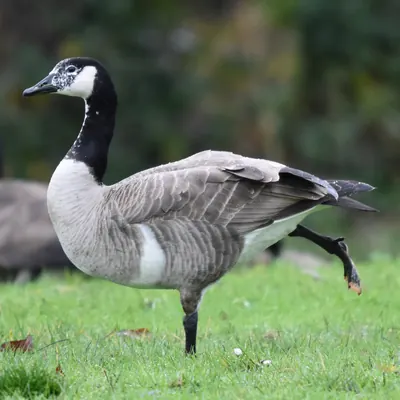 Canada Goose59%
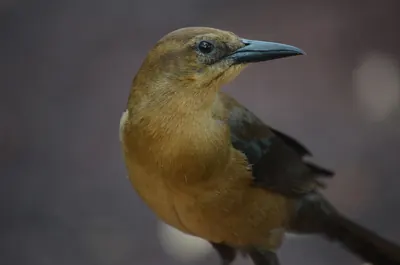 Boat-tailed Grackle53%