Birding spot · Addison County, Vermont
Birding at Dead Creek Wildlife Management Area (northwest): What You'll See Each Week
In November, the birds most often reported at Dead Creek Wildlife Management Area (northwest) are Snow Goose (87%), Canada Goose (63%), and Northern Harrier (57%). It is busiest in summer, when 28 species turn up on at least 1 in 20 checklists, and species counts peak in the second week of May (40 species). 92 species have been reported here across 1,067 complete checklists from 473 birders.
Species by week
In November: what to expect
- 1
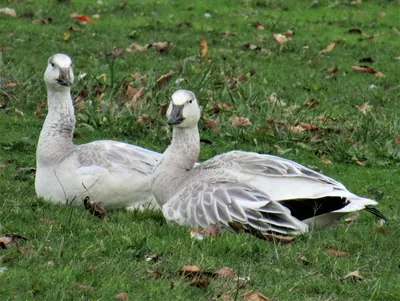 Snow Goose87%
- 2
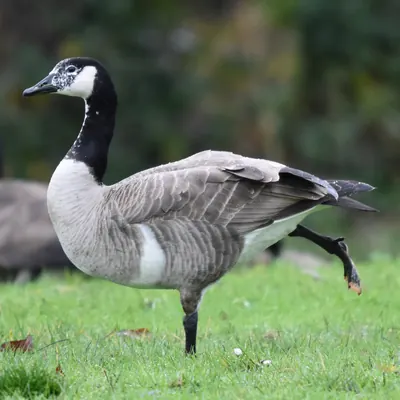 Canada Goose63%
- 3Northern Harrier57%
- 4
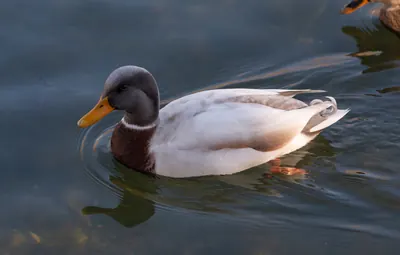 Mallard51%
- 5
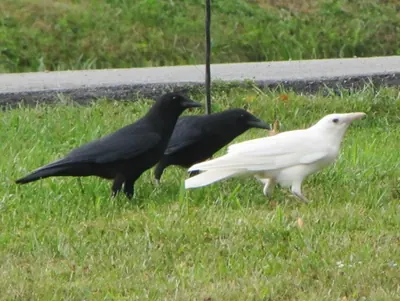 American Crow29%
- 6
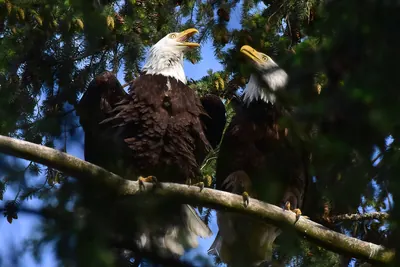 Bald Eagle24%
- 7
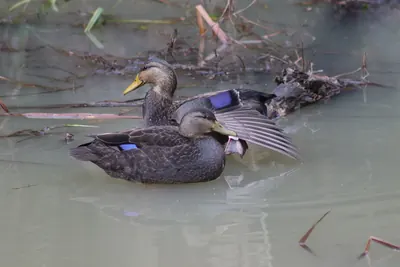 American Black Duck20%
- 8
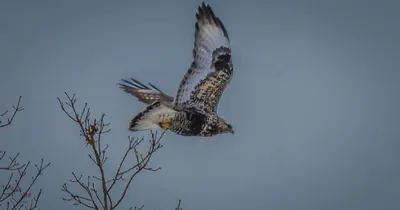 Rough-legged Hawk20%
- 9
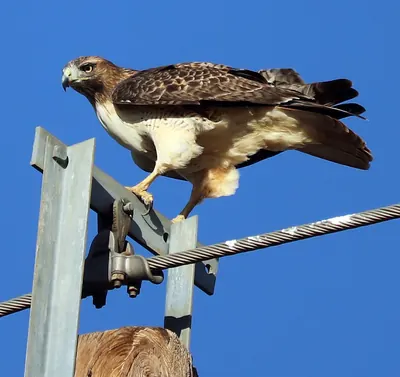 Red-tailed Hawk19%
- 10
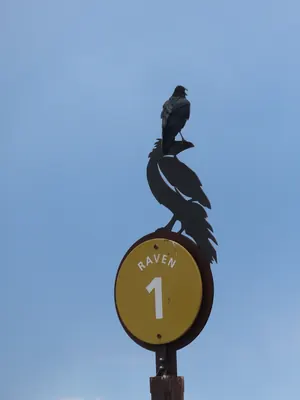 Common Raven15%
- 11
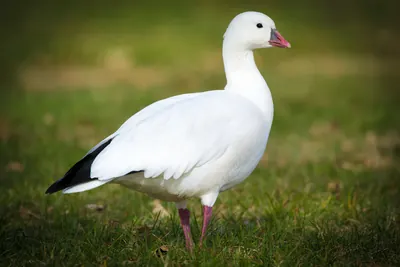 Ross's Goose14%
- 12
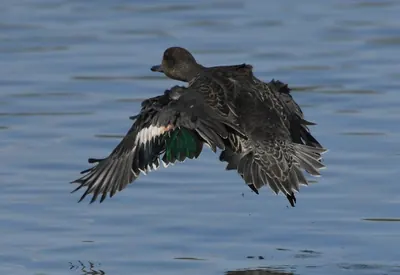 Green-winged Teal11%
- 13
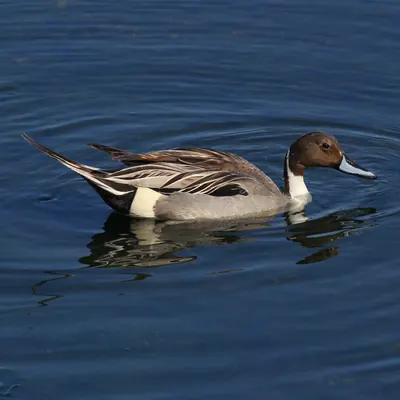 Northern Pintail11%
- 14
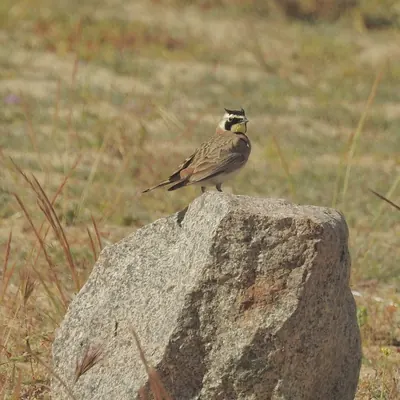 Horned Lark9.9%
- 15
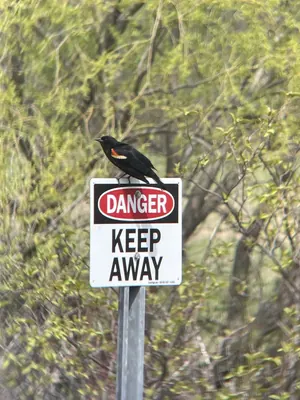 Red-winged Blackbird8.2%
Share of complete checklists at this spot that reported the bird in November. The sparkline is the whole year, with this month highlighted.
Season by season
Winter 16 species
Spring 26 species
Summer 28 species
Fall 21 species
- Snow Goose84%
- Canada Goose65%
- Northern Harrier56%
- Mallard48%
- American Crow33%
Specialties
Birds reported far more often here than across Vermont.
- Ross's Goose
- Snow Goose
- Short-eared Owl
- Rough-legged Hawk
- Northern Harrier
- American Pipit
- Horned Lark
- Northern Pintail
Nearby spots
- Dead Creek Wildlife Management Area (1.4 km)
- Dead Creek Wildlife Management Area (west) (1.6 km)
- Oven Point (5.6 km)
- McCuen Slang Wildlife Management Area (8.3 km)
- Chimney Point (8.8 km)
- Otter View Park (14.6 km)
Frequency is the share of complete checklists at this location that listed the bird, 2016–2025. Busy places report more of everything, and the weekly chart counts species on at least 5% of checklists so a few stray reports do not inflate it. How to read it.