Birding spot · Accomack County, Virginia
Birding at Chincoteague National Wildlife Refuge (Black Duck Marsh): What You'll See Each Week
In November, the birds most often reported at Chincoteague National Wildlife Refuge (Black Duck Marsh) are Yellow-rumped Warbler (88%), White-throated Sparrow (71%), and Eastern Towhee (67%). It is busiest in spring, when 82 species turn up on at least 1 in 20 checklists, and species counts peak in the second week of May (96 species). 206 species have been reported here across 1,793 complete checklists from 954 birders.
Species by week
In November: what to expect
- 1
 Yellow-rumped Warbler88%
- 2
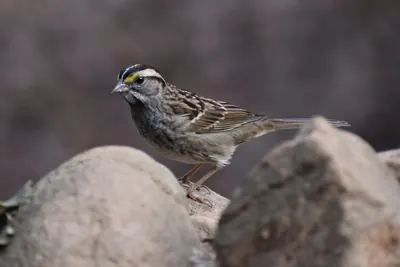 White-throated Sparrow71%
- 3
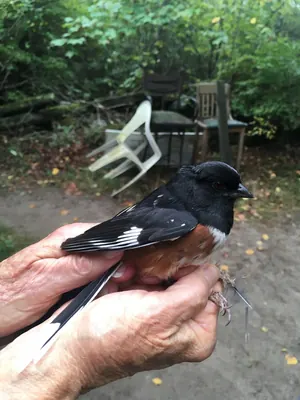 Eastern Towhee67%
- 4
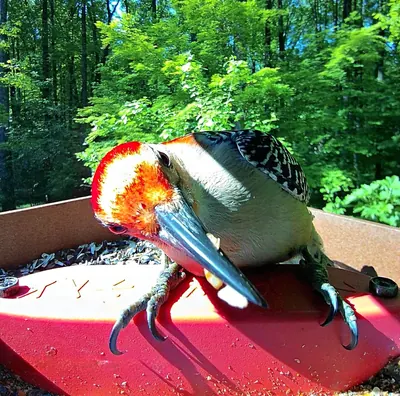 Red-bellied Woodpecker63%
- 5
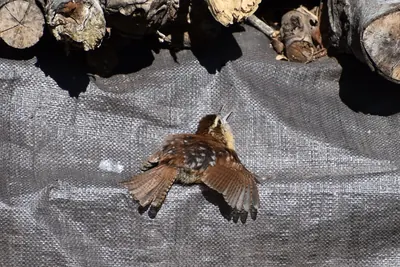 Carolina Wren62%
- 6
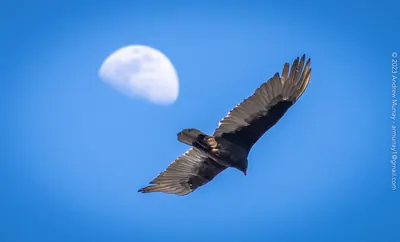 Turkey Vulture59%
- 7
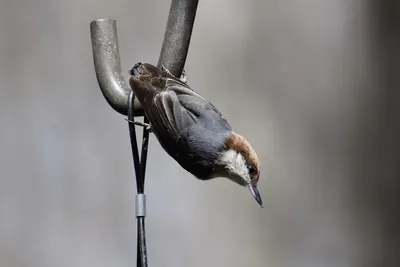 Brown-headed Nuthatch57%
- 8
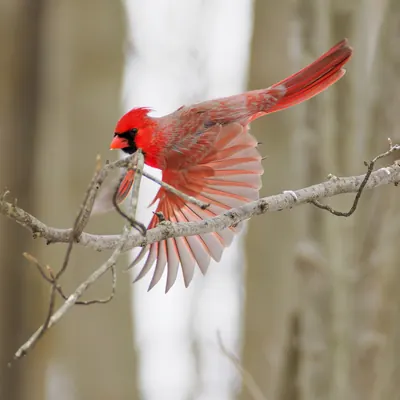 Northern Cardinal56%
- 9
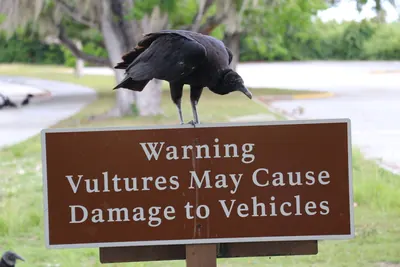 Black Vulture52%
- 10
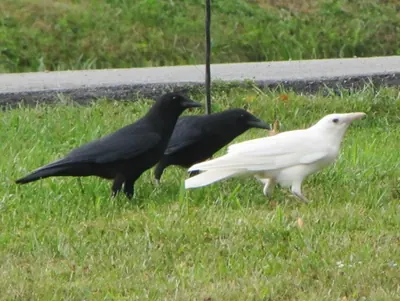 American Crow50%
- 11
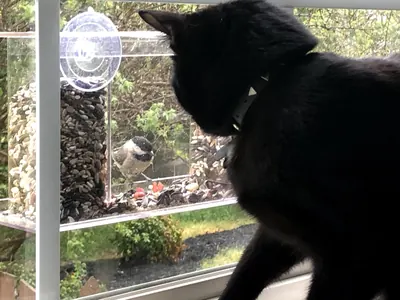 Carolina Chickadee50%
- 12
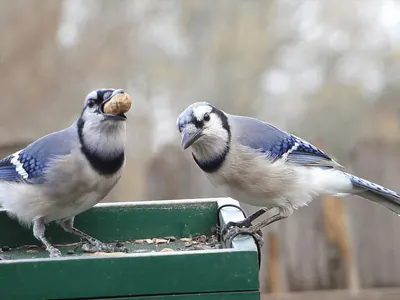 Blue Jay44%
- 13
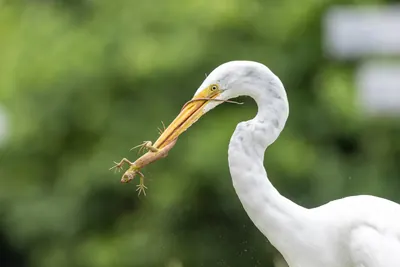 Great Egret42%
- 14
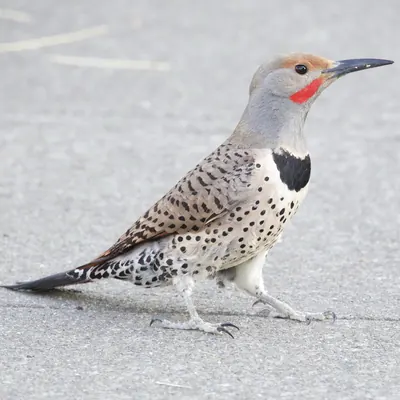 Northern Flicker41%
- 15
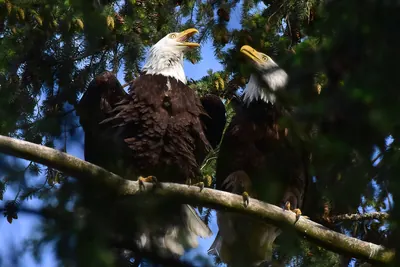 Bald Eagle40%
Share of complete checklists at this spot that reported the bird in November. The sparkline is the whole year, with this month highlighted.
Season by season
Winter 54 species
Spring 82 species
Summer 60 species
Fall 75 species
Specialties
Birds reported far more often here than across Virginia.
- White Ibis
- Brown-headed Nuthatch
- Glossy Ibis
- Snowy Egret
- Tricolored Heron
- Merlin
- Little Blue Heron
- Fox Sparrow
Nearby spots
- Black Duck Marsh (0.4 km)
- Little Toms Cove (northwest) (1.1 km)
- Chincoteague National Wildlife Refuge (1.3 km)
- Little Toms Cove (1.5 km)
- Little Toms Cove (south) (1.7 km)
- Chincoteague National Wildlife Refuge (northeast) (1.9 km)
Frequency is the share of complete checklists at this location that listed the bird, 2016–2025. Busy places report more of everything, and the weekly chart counts species on at least 5% of checklists so a few stray reports do not inflate it. How to read it.