Birding spot · Anchorage Municipality, Alaska
Birding at Potter Marsh (Little Survival Creek): What You'll See Each Week
In November, the birds most often reported at Potter Marsh (Little Survival Creek) are Short-billed Gull (72%), Arctic Tern (69%), and Red-necked Grebe (68%). It is busiest in spring, when 29 species turn up on at least 1 in 20 checklists, and species counts peak in late May (37 species). 80 species have been reported here across 884 complete checklists from 568 birders.
Species by week
In November: what to expect
- 1
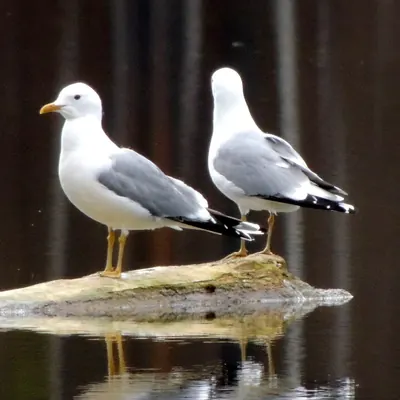 Short-billed Gull72%
- 2
 Arctic Tern69%
- 3
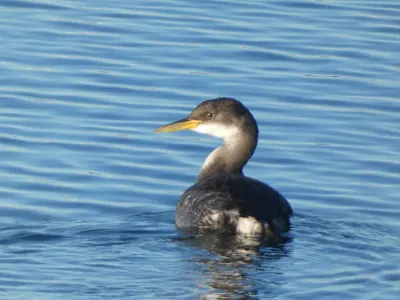 Red-necked Grebe68%
- 4
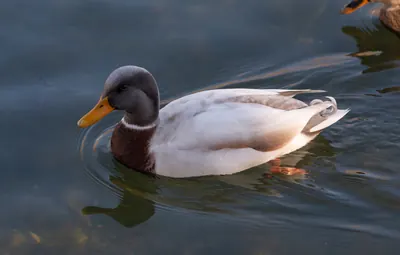 Mallard67%
- 5
 Trumpeter Swan59%
- 6
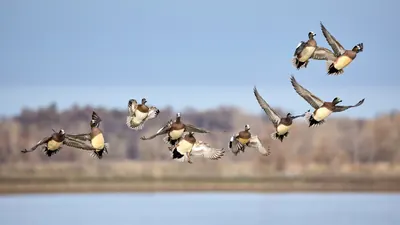 American Wigeon58%
- 7
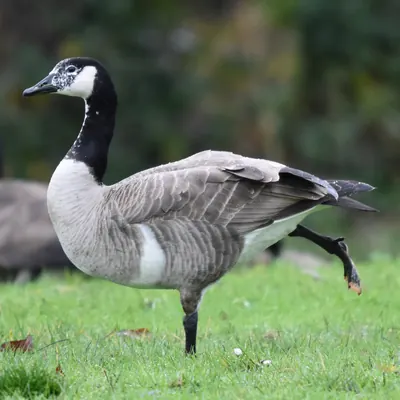 Canada Goose51%
- 8
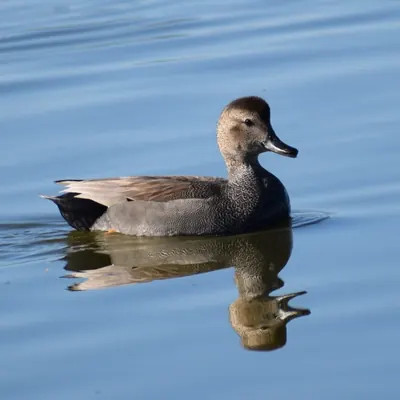 Gadwall41%
- 9
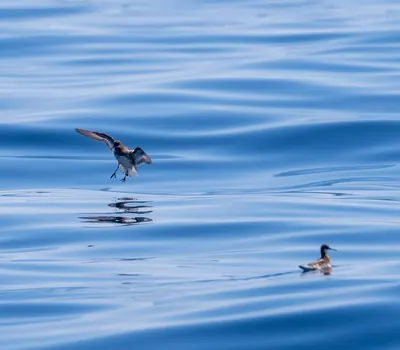 Red-necked Phalarope30%
- 10
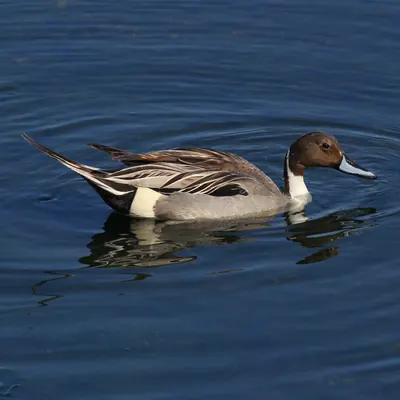 Northern Pintail27%
- 11
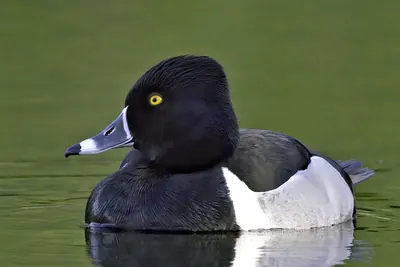 Ring-necked Duck27%
- 12
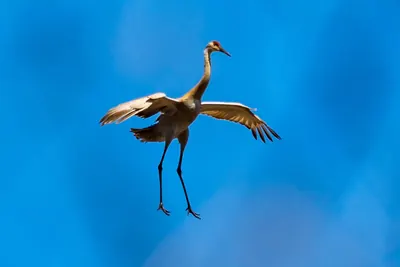 Sandhill Crane25%
- 13
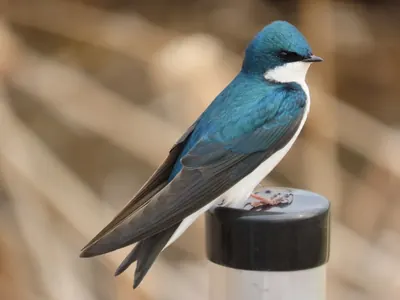 Tree Swallow22%
- 14
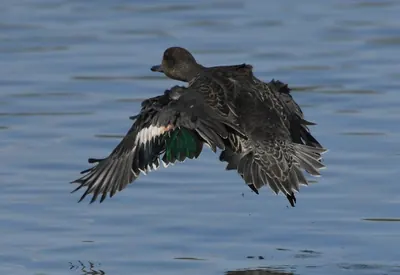 Green-winged Teal20%
- 15
 American Herring Gull19%
Share of complete checklists at this spot that reported the bird in November. The sparkline is the whole year, with this month highlighted.
Season by season
Winter 0 species
Spring 29 species
Summer 29 species
Fall 16 species
- Mallard80%
- Trumpeter Swan69%
- American Wigeon66%
- Gadwall23%
- Green-winged Teal23%
Specialties
Birds reported far more often here than across Alaska.
- Falcated Duck
- Trumpeter Swan
- Gadwall
- Red-necked Grebe
- Ring-necked Duck
- Arctic Tern
- Red-necked Phalarope
- Short-billed Dowitcher
Nearby spots
- Potter Marsh (2.0 km)
- Hood Lake (15.3 km)
- Kincaid Park (16.5 km)
- Chester Creek Greenbelt (Westchester Lake) (16.6 km)
- Chester Creek Greenbelt (17.1 km)
- Bootlegger Cove (17.4 km)
Frequency is the share of complete checklists at this location that listed the bird, 2016–2025. Busy places report more of everything, and the weekly chart counts species on at least 5% of checklists so a few stray reports do not inflate it. How to read it.