Birding spot · Dare County, North Carolina
Birding at Pea Island National Wildlife Refuge (northwest): What You'll See Each Week
In November, the birds most often reported at Pea Island National Wildlife Refuge (northwest) are Brown Pelican (88%), Double-crested Cormorant (86%), and Yellow-rumped Warbler (85%). It is busiest in fall, when 86 species turn up on at least 1 in 20 checklists, and species counts peak in the second week of October (112 species). 225 species have been reported here across 1,318 complete checklists from 635 birders.
Species by week
In November: what to expect
- 1
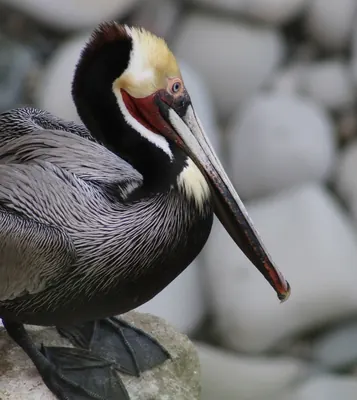 Brown Pelican88%
- 2
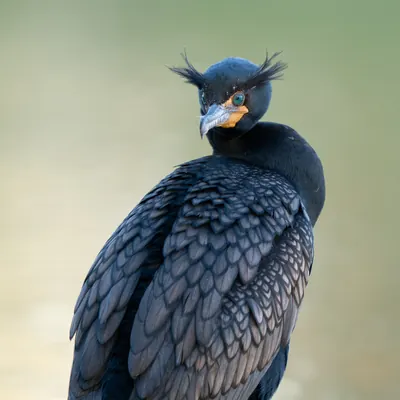 Double-crested Cormorant86%
- 3
 Yellow-rumped Warbler85%
- 4
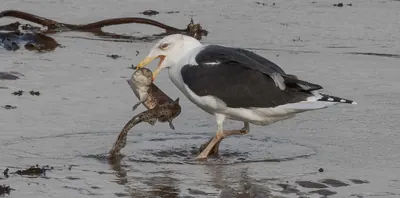 Great Black-backed Gull73%
- 5
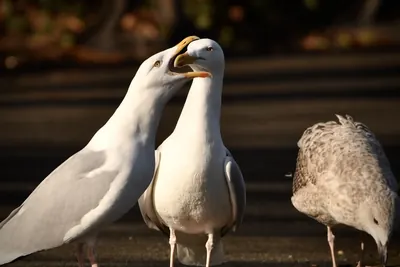 American Herring Gull68%
- 6
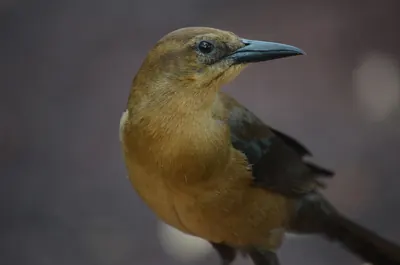 Boat-tailed Grackle57%
- 7
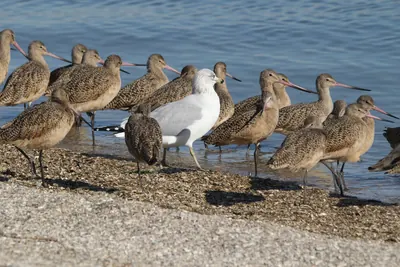 Ring-billed Gull55%
- 8
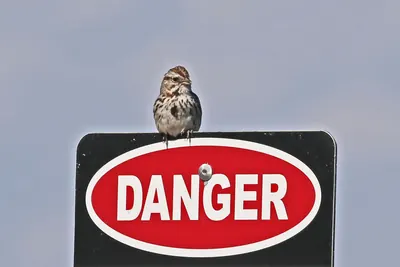 Song Sparrow50%
- 9
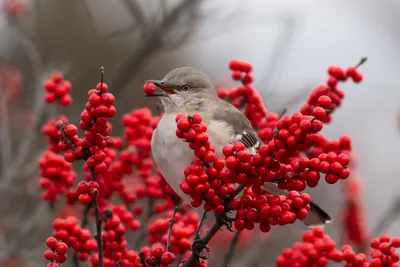 Northern Mockingbird49%
- 10
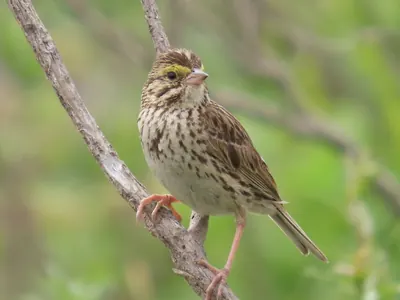 Savannah Sparrow45%
- 11
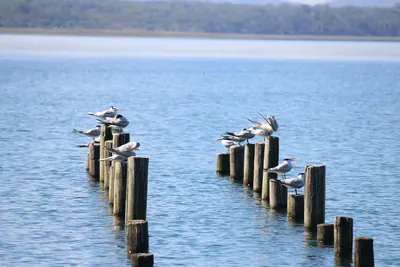 Royal Tern43%
- 12
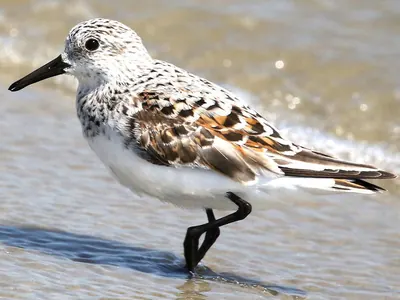 Sanderling43%
- 13
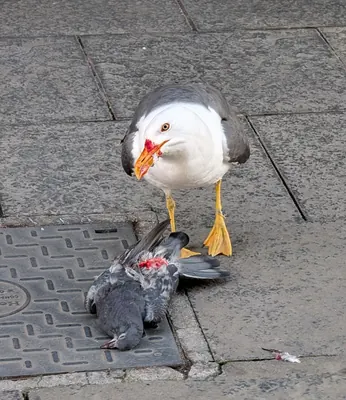 Lesser Black-backed Gull41%
- 14
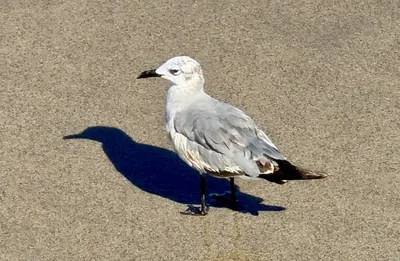 Laughing Gull40%
- 15
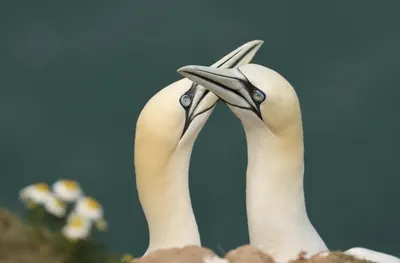 Northern Gannet40%
Share of complete checklists at this spot that reported the bird in November. The sparkline is the whole year, with this month highlighted.
Season by season
Winter 48 species
Spring 66 species
Summer 59 species
- Laughing Gull89%
- Least Tern88%
- Royal Tern79%
- Brown Pelican79%
- Willet76%
Fall 86 species
Specialties
Birds reported far more often here than across North Carolina.
- Snow Bunting
- Piping Plover
- Red Knot
- Ruddy Turnstone
- Lesser Black-backed Gull
- Black Tern
- Common Tern
- American Oystercatcher
Nearby spots
- Pea Island National Wildlife Refuge (northwest) (0.3 km)
- Pea Island National Wildlife Refuge (South Point) (0.8 km)
- Eagle Nest Bay (3.8 km)
- Motts Creek (3.9 km)
- Pea Island (The Trench) (5.9 km)
- Pea Island (2) (6.2 km)
Frequency is the share of complete checklists at this location that listed the bird, 2016–2025. Busy places report more of everything, and the weekly chart counts species on at least 5% of checklists so a few stray reports do not inflate it. How to read it.