Birding spot · Thurston County, Washington
Birding at Washington State Department of Natural Resources (WADNR) State Resource Management Area (southwest): What You'll See Each Week
In November, the birds most often reported at Washington State Department of Natural Resources (WADNR) State Resource Management Area (southwest) are Mallard (78%), Song Sparrow (69%), and Pacific Wren (68%). It is busiest in spring, when 58 species turn up on at least 1 in 20 checklists, and species counts peak in the second week of May (60 species). 112 species have been reported here across 960 complete checklists from 304 birders.
Species by week
In November: what to expect
- 1
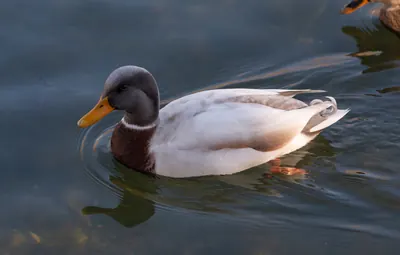 Mallard78%
- 2
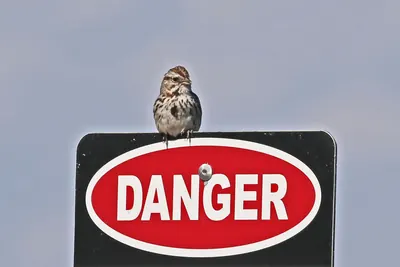 Song Sparrow69%
- 3
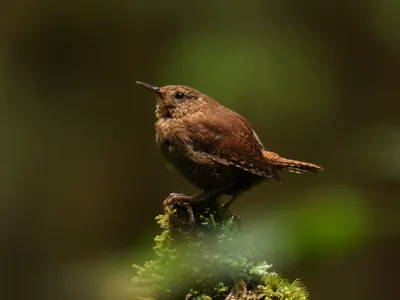 Pacific Wren68%
- 4
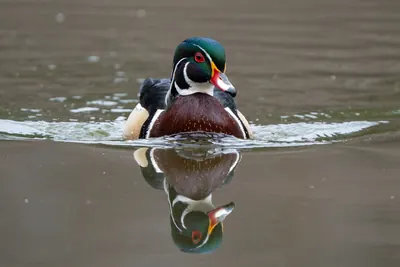 Wood Duck58%
- 5
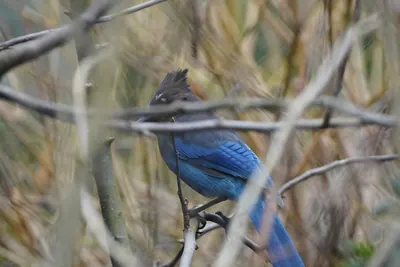 Steller's Jay55%
- 6
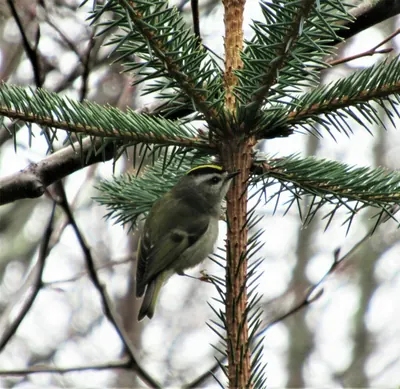 Golden-crowned Kinglet49%
- 7
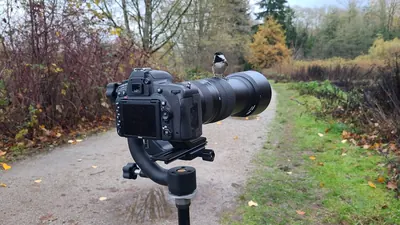 Black-capped Chickadee47%
- 8
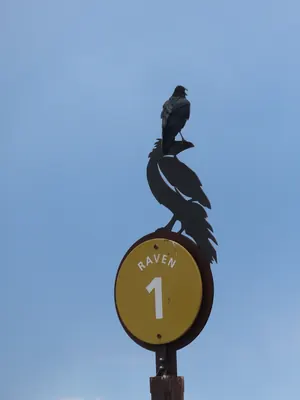 Common Raven42%
- 9
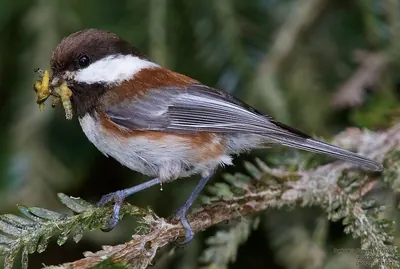 Chestnut-backed Chickadee36%
- 10
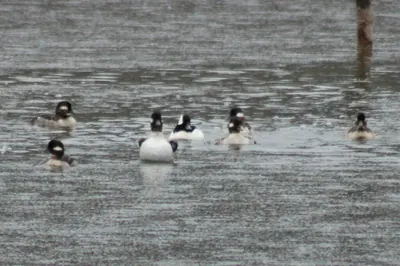 Bufflehead34%
- 11
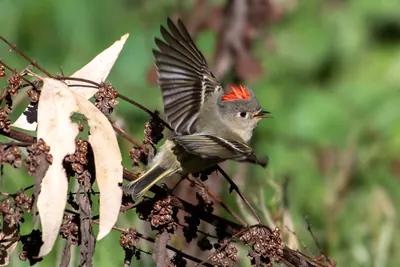 Ruby-crowned Kinglet34%
- 12
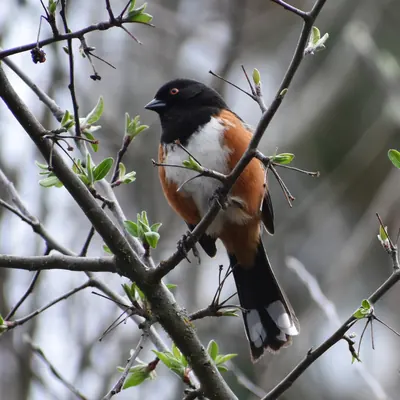 Spotted Towhee34%
- 13
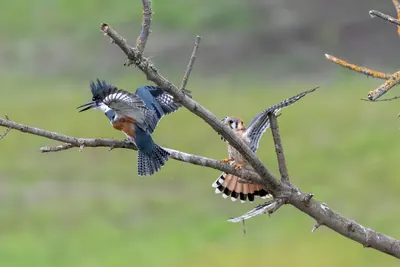 Belted Kingfisher30%
- 14
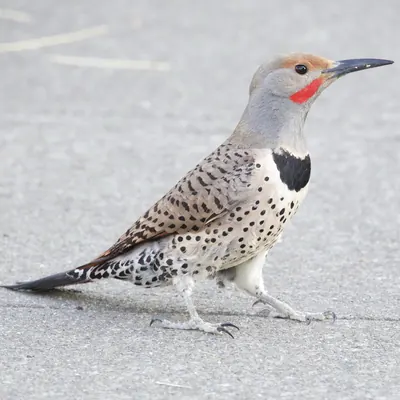 Northern Flicker29%
- 15
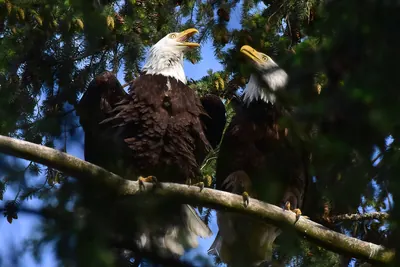 Bald Eagle27%
Share of complete checklists at this spot that reported the bird in November. The sparkline is the whole year, with this month highlighted.
Season by season
Winter 38 species
- Mallard89%
- Bufflehead85%
- Song Sparrow71%
- Pacific Wren61%
- Wood Duck60%
Spring 58 species
Summer 51 species
- Wood Duck88%
- Mallard85%
- Song Sparrow76%
- American Robin73%
- Swainson's Thrush70%
Fall 41 species
- Mallard87%
- Wood Duck79%
- Song Sparrow70%
- Steller's Jay66%
- Pacific Wren52%
Specialties
Birds reported far more often here than across Washington.
- Wood Duck
- Red-breasted Sapsucker
- Wilson's Warbler
- Common Yellowthroat
- Pacific Wren
- Black-throated Gray Warbler
- Willow Flycatcher
- Western Flycatcher
Nearby spots
- Percival Cove (7.7 km)
- Capitol Point (8.5 km)
- Entrance Channel (10.0 km)
- Nisqually Flats (23.5 km)
- Billy Frank Jr. Nisqually National Wildlife Refuge (23.8 km)
- Nisqually Head (23.8 km)
Frequency is the share of complete checklists at this location that listed the bird, 2016–2025. Busy places report more of everything, and the weekly chart counts species on at least 5% of checklists so a few stray reports do not inflate it. How to read it.